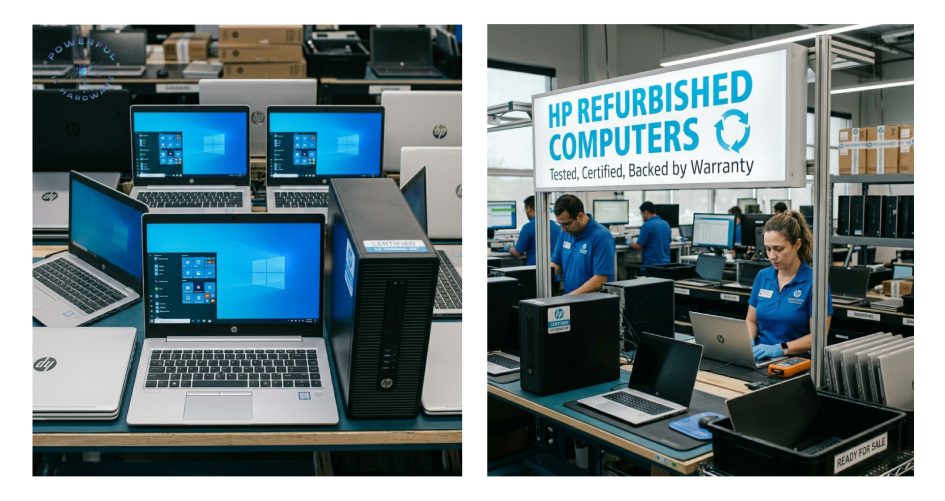
The landscape of enterprise IT procurement is undergoing a significant transformation as businesses approach 2026. With economic pressures tightening and the emphasis on sustainable fiscal responsibility growing, organizations are increasingly pivoting away from brand-new hardware. Hp refurbished computers have emerged as a formidable contender in this space, offering a unique blend of reliability, performance, and cost-efficiency that new devices often struggle to match. This shift is not merely about cutting costs but represents a strategic move towards smarter capital allocation and operational resilience. For wholesale buyers and IT managers, understanding the nuances of this market is essential for maintaining a competitive edge.
The reliability of modern hardware has extended the lifecycle of business equipment far beyond traditional three-year replacement cycles. Consequently, the market for high-quality, off-lease equipment has matured, providing buyers with access to enterprise-grade machines that were previously out of reach for budget-conscious procurement. Hp refurbished computers undergo rigorous testing and refurbishment processes, ensuring they meet the stringent demands of modern business environments. This reliability factor, combined with the rapid depreciation of new electronics, creates a compelling argument for considering refurbished options. As 2026 approaches, the gap between new and refurbished performance continues to narrow, making the latter a practical rather than just a desperate choice.
Sustainability initiatives are also playing a pivotal role in driving the adoption of refurbished hardware. Corporations are under increasing pressure from stakeholders and regulatory bodies to reduce their carbon footprint and embrace circular economy principles. Extending the life of existing electronics is one of the most effective ways to achieve these environmental goals, as it significantly reduces e-waste and the energy consumption associated with manufacturing new devices. By opting for refurbished units, companies can report tangible improvements in their ESG (Environmental, Social, and Governance) ratings. This alignment of fiscal prudence with environmental responsibility makes the purchase of refurbished technology a holistic win for forward-thinking organizations.
Furthermore, the supply chain volatility experienced in recent years has taught businesses the value of agility and availability. New equipment often faces lead times of several weeks or even months due to component shortages or logistical bottlenecks. In contrast, the inventory for refurbished equipment is typically readily available, allowing for rapid deployment and scaling of operations. This immediacy is crucial for businesses that need to adapt quickly to changing market conditions or unexpected growth. The ability to source high-quality hardware on demand provides a level of operational security that is increasingly valued in the unpredictable business climate of 2026.
1. Why Economic Trends Are Shifting Toward Refurbished Technology
1.1 How Inflation and Budget Constraints Impact Procurement
The economic outlook leading into 2026 is characterized by a need for strict fiscal discipline across all business sectors. Inflationary pressures have eroded IT budgets, forcing procurement officers to find alternatives to expensive OEM pricing without compromising on quality. Refurbished hp computers for sale provide a direct solution to this dilemma, offering reductions of up to 50% or more compared to the price of new equivalents. This substantial saving allows businesses to reallocate funds to other critical areas such as software development, marketing, or employee training. The focus is shifting from spending more to spending smarter, with an emphasis on total cost of ownership rather than just the initial sticker price.
Capital expenditure (CapEx) restrictions are particularly stringent for small to medium-sized enterprises and startups operating on lean margins. By choosing refurbished hardware, these organizations can defer significant capital outlays while still acquiring the necessary tools to compete in the digital marketplace. This financial flexibility is vital for maintaining cash flow liquidity, which is often the lifeblood of growing businesses. The savings generated from purchasing refurbished units can also be reinvested into peripheral technologies or cybersecurity measures, creating a more robust IT ecosystem overall. Consequently, the economic narrative is no longer about austerity but about strategic resourcefulness.
Large enterprises are also adopting this approach to optimize their bottom line. When scaling operations across multiple departments or geographical locations, the cumulative cost of hardware can run into millions of dollars. Wholesale buyers are recognizing that they can standardize their fleet on high-specification models, such as the HP EliteBook or ProDesk series, at a fraction of the cost of new units. This scalability ensures that all employees have access to powerful computing resources without the company incurring prohibitive expenses. The trend indicates a permanent shift in procurement philosophy, where value engineering takes precedence over the novelty of unboxing brand-new equipment.
Moreover, the residual value of refurbished equipment presents a distinct financial advantage. Because these devices are already purchased at a lower price point, their depreciation curve is significantly flatter than that of new hardware. This means that when a business eventually cycles out these machines in three to four years, the financial loss is minimal. Asset management becomes more predictable, and the return on investment (ROI) is maximized. Financial departments are increasingly favoring this model as it allows for more accurate forecasting and protects the organization from the rapid market fluctuations that typically affect new tech pricing.
1.2 Why the Performance Plateau Favors Refurbished Models
Technological advancements in processing power have reached a point where year-over-year improvements are no longer as dramatic as they once were. A high-performance processor from three or four years ago remains fully capable of handling the vast majority of business applications utilized in 2026. Tasks such as word processing, web browsing, video conferencing, and light content creation do not require the absolute latest generation of silicon. This performance plateau means that a refurbished hp desktop pc from a recent generation can perform almost identically to a brand-new machine in standard office environments. Businesses are realizing that they are paying a premium for marginal gains that offer little practical benefit to their daily operations.
The demands of modern software have stabilized, with many developers optimizing their applications to run efficiently on a wider range of hardware specifications. Cloud computing and SaaS (Software as a Service) models have further reduced the reliance on local processing power for heavy computational tasks. With the heavy lifting done by cloud servers, the local computer acts primarily as an interface, meaning that legacy hardware specifications are often more than sufficient. This shift in software architecture validates the decision to invest in refurbished hardware, as the functional lifespan of these machines is effectively extended by the changing nature of IT delivery.
For wholesale buyers focusing on uniformity and consistency, the availability of specific legacy models is a significant advantage. New product lines often change form factors or port configurations, creating logistical nightmares for IT departments managing large fleets. Refurbished markets allow for the procurement of exact model repeats, ensuring that every desk has the same machine with the same drivers and compatibility. This uniformity drastically reduces the technical overhead and helpdesk tickets related to hardware incompatibilities. The stability of the platform is often more valuable to an organization than the incremental speed boost of a new processor.
Gaming and graphic design industries may still push the boundaries of hardware requirements, but the general B2B sector operates well within the capabilities of previous-generation technology. The hp refurbished computers available on the market today often originate from corporate leases, meaning they were built for durability and professional use rather than consumer obsolescence. These business-class machines, such as the HP EliteDesk series, are engineered to run 24/7 and are constructed with higher-grade components than typical consumer electronics. Therefore, buying refurbished business-grade hardware often results in a more robust experience than buying new consumer-grade hardware at a similar price point.
1.3 Which Global Supply Chain Factors Influence Availability
The global supply chain for electronic components has faced unprecedented disruptions over the past few years, reshaping how inventory is sourced and distributed. While new manufacturing has slowly recovered, the availability of critical components like semiconductors remains subject to volatility. This instability has driven up the price of new computers and, in some cases, made them difficult to procure in bulk quantities. In contrast, the supply chain for refurbished equipment is independent of these manufacturing constraints. The inventory exists in the physical world—in the form of off-lease returns and trade-ins—and is ready for immediate redeployment.
This decoupling from the manufacturing supply chain provides a buffer against the geopolitical tensions and logistics bottlenecks that often plague new goods. Wholesale buyers can secure large quantities of refurbished hp computers for sale without worrying about shipping delays from overseas factories or tariff fluctuations affecting raw material costs. The refurbishment process is a domestic or localized activity, adding value locally and creating a more resilient supply chain. For businesses that require immediate fleet rollouts or rapid expansion into new territories, this reliability of supply is a critical operational factor.
Furthermore, the volume of high-quality off-lease equipment entering the market has increased significantly. As major corporations refresh their fleets on three-year cycles, a steady stream of enterprise-grade hardware becomes available. This consistent influx creates a stable market where prices are predictable and inventory levels are reliable. In 2026, the logistics of reverse logistics—collecting, testing, and distributing used electronics—have become highly sophisticated. Specialized refurbishers have established efficient pipelines that ensure equipment is processed quickly and made available to buyers in a near-new condition.
The focus on circular economy principles has also strengthened the infrastructure supporting the refurbished market. Governments and industry bodies are investing in standards and certifications that validate the quality and origin of refurbished goods. This regulatory support adds a layer of security for wholesale buyers, ensuring that the equipment they purchase is genuine and has been processed according to strict guidelines. As a result, the refurbished supply chain is not just a backup plan but a primary, robust channel for IT procurement that rivals traditional distribution networks in reliability and speed.
1.4 How Corporate Sustainability Goals Drive Decisions
Environmental, Social, and Governance (ESG) criteria have moved from the periphery to the center of corporate strategy. Stakeholders, investors, and customers now scrutinize the environmental impact of a company’s operations more closely than ever before. The production of new computers involves the extraction of rare earth metals, the consumption of vast amounts of water, and the generation of significant carbon emissions. By choosing hp refurbished computers, businesses can make a quantifiable reduction in their environmental footprint. Every refurbished computer purchased is one less computer that needs to be manufactured, directly conserving natural resources and reducing electronic waste.
The statistics surrounding e-waste are alarming, with millions of tons of toxic electronics ending up in landfills annually. Extending the lifecycle of electronic devices is widely recognized as the single most effective strategy for mitigating the IT sector’s environmental impact. In 2026, companies are expected to report on their Scope 3 emissions, which include the emissions associated with the goods and services they purchase. Opting for refurbished hardware allows procurement officers to demonstrate a tangible commitment to reducing these indirect emissions. This data is invaluable for sustainability reports and can significantly enhance a company’s reputation as a responsible corporate citizen.
Beyond compliance and reputation, there is a growing realization that sustainability and profitability are not mutually exclusive. The “green premium”—the extra cost associated with sustainable options—does not exist in the refurbished market; in fact, the sustainable option is often the cheaper one. This alignment of ecological and economic benefits creates a powerful incentive for adoption. Leading organizations are leveraging their purchase of refurbished technology as a key narrative in their marketing and internal communications, boosting employee morale and customer loyalty by showing that the company takes its environmental responsibilities seriously.
Wholesale buyers are uniquely positioned to amplify this impact. By committing to bulk purchases of refurbished equipment, large organizations can drive significant positive change at scale. They can mandate the use of refurbished hardware for standard office roles, reserving new, high-performance equipment only for specialized roles that absolutely require it. This tiered procurement strategy maximizes the environmental benefit while optimizing budget utilization. As 2026 progresses, the integration of sustainability into procurement contracts is becoming standard, making the choice of refurbished hardware a strategic imperative for meeting ambitious climate goals.
2. How Refurbished HP Desktop PC Units Enhance Business Operations
2.1 Which Form Factors and Specifications Suit Modern Workflows
The modern office environment in 2026 is diverse, ranging from traditional cubicles to hot-desking setups and hybrid workspaces. A refurbished hp desktop pc comes in various form factors, including towers, small form factors (SFF), and mini PCs, allowing businesses to choose the exact footprint that suits their spatial constraints. For dense office environments, the HP EliteDesk Mini offers powerful performance in a chassis that can be mounted behind a monitor, freeing up valuable desk space. Wholesale buyers can mix and match these form factors within a single order to create a customized solution that fits the architectural layout of different departments.
Regarding specifications, the refurbishment market offers a spectrum of options that cater to different workflow intensities. For general administrative tasks, models equipped with Intel Core i5 processors and 8GB to 16GB of RAM are perfectly adequate and provide a snappy, responsive user experience. For more demanding roles, such as graphic designers or data analysts, buyers can source units with Core i7 processors, dedicated graphics cards, and 32GB of RAM. This tiered approach ensures that every employee has the power they need to be productive, without over-provisioning hardware for users who do not require it. The availability of varied specifications within the hp refurbished computers ecosystem allows for precise matching of hardware to business needs.
Storage technology has also evolved, and refurbished units are increasingly being upgraded to Solid State Drives (SSDs). An SSD upgrade is the single most effective way to rejuvenate an older computer, drastically reducing boot times and accelerating application loading. In 2026, it is standard practice for reputable refurbishers to replace legacy mechanical hard drives with NVMe or SATA SSDs. This ensures that the refurbished machines not only match but often exceed the performance of budget new PCs that still rely on slower storage media. For businesses, this translates to less waiting time for employees and higher overall efficiency throughout the workday.
Connectivity is another crucial factor, as modern workflows rely heavily on peripherals and high-speed internet. Refurbished HP desktops typically come equipped with a comprehensive array of ports, including USB-C, DisplayPort, and legacy connections for older industrial equipment. This broad compatibility ensures that the computers can integrate seamlessly into existing office ecosystems without the need for expensive dongles or adapters. For wholesale buyers, checking for specific port configurations is essential to ensure that the machines can support the dual-monitor setups and specialized hardware required by their teams. The physical robustness and connectivity options of business-class desktops make them an ideal foundation for a stable work environment.
2.2 How Customization Services Add Value for Wholesale Clients
One of the most compelling advantages of sourcing refurbished hp computers for sale through specialized vendors is the ability to customize orders. Wholesale clients rarely require “out of the box” configurations; they need machines that are ready to plug into their specific network infrastructure immediately. Leading refurbishers offer services such as hard drive wiping to government standards, operating system installation (e.g., Windows 10 Pro or Windows 11), and the loading of corporate software images. This “imaging” service saves IT departments countless hours by ensuring that every computer arrives with the exact software environment required by the organization.
Beyond software, hardware customization is also a critical service. Businesses can request upgrades to RAM, storage capacity, or even the addition of dedicated wireless cards before the equipment ships. This allows the buyer to standardize on a specific hardware specification, simplifying maintenance and support. For example, a wholesale buyer might order 100 units of a specific HP model but request that all be upgraded to 16GB of RAM and a 512GB SSD to meet a minimum performance standard for a new software rollout. This level of customization transforms a generic used computer into a purpose-built business tool tailored to specific operational requirements.
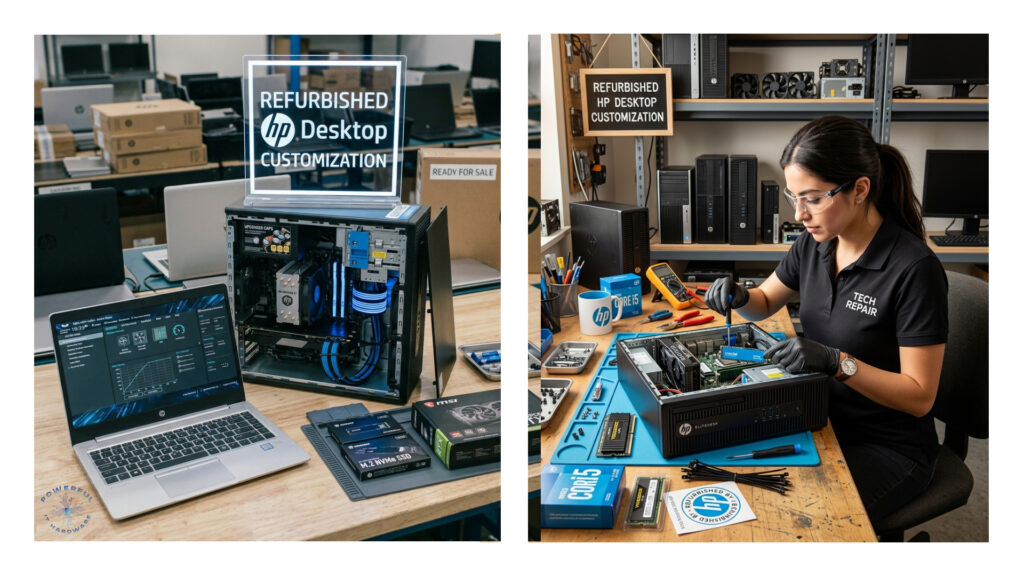
Asset tagging and laser etching are further customization options that appeal to large enterprises. Managing inventory is a significant challenge for organizations with hundreds or thousands of devices. Refurbishers can apply asset tags with barcodes or QR codes to each chassis, or even laser-etch the company logo and asset ID directly onto the metal casing. This permanent marking aids in asset tracking, loss prevention, and recovery. It also presents a professional, branded image when the equipment is deployed in client-facing areas or used by field staff. For B2B buyers, these logistical touches add immense value by integrating the hardware directly into their asset management workflows.
Furthermore, specialized kitting services can bundle the computers with necessary peripherals such as monitors, keyboards, and mice. Sourcing these items separately can be a hassle, and ensuring compatibility can be tricky. Wholesale providers often offer “ready-to-work” kits where the refurbished hp desktop pc is paired with a matching refurbished monitor and input devices, all tested to work together. This turnkey solution is incredibly valuable for rapid deployment scenarios, such as setting up a new call center or branch office. By reducing the number of vendors and POs required, businesses streamline their procurement process and reduce administrative overhead.
2.3 Why HP Reliability Reduces Total Cost of Ownership
When evaluating IT investments, the initial purchase price is only one part of the equation; the Total Cost of Ownership (TCO) includes maintenance, downtime, and eventual replacement costs. HP has built a reputation for engineering some of the most reliable desktop computers in the industry, particularly within its commercial lines. These devices are subjected to rigorous testing for shock, vibration, and thermal extremes during their original production. When businesses acquire hp refurbished computers, they are inheriting a product that was designed to last for many years in demanding corporate environments. This inherent durability means lower failure rates and fewer interruptions to productivity.
The availability of spare parts and accessories is another factor that bolsters the reliability argument. HP commercial desktops often utilize standardized components that remain interchangeable across multiple model generations. If a component fails, it is usually easy and inexpensive to source a replacement part, extending the life of the machine even further. This repairability stands in stark contrast to some consumer-grade devices where components are soldered or proprietary. For a wholesale buyer managing a long-term fleet, the ability to quickly and cheaply repair units significantly reduces the TCO and maximizes the return on the initial investment.
Downtime is one of the hidden costs of IT ownership. When an employee’s computer fails, work stops, and helpdesk costs rise. The rugged design of HP desktops means they are less prone to failure, minimizing these costly interruptions. Additionally, because refurbished units have already been in operation for a few years, any “infant mortality” issues—defects that appear early in a product’s life—have long since been identified and resolved. The refurbishment process involves stress testing the hardware to ensure it is functioning perfectly, effectively filtering out any weak units. The result is a reliable workhorse that provides consistent performance day in and day out.
Longevity also plays a role in asset lifecycle planning. Because these machines are built to last, businesses can often extend their depreciation schedules for refurbished hardware. A company might deploy a refurbished hp desktop pc with the confidence that it will remain viable and supported for another three to five years. This long-term view allows for better capital planning and reduces the frequency of refresh cycles. In a B2B context, where stability is prized over novelty, the proven reliability of HP refurbished equipment offers a distinct financial advantage over cheaper, less durable alternatives.
2.4 Which Bulk Procurement Strategies Maximize Efficiency
For wholesale buyers, the strategy for purchasing refurbished hp computers for sale involves more than just finding the lowest price per unit. It requires a strategic approach to inventory management and vendor relationships. One effective strategy is to establish a standing agreement with a refurbisher for ongoing supply. This ensures that as the organization grows or replaces broken equipment, there is a consistent supply of similar or identical hardware. Maintaining hardware consistency simplifies the IT environment, reducing the complexity of driver management and software compatibility across the organization.
Another strategic consideration is the phasing of procurement. Instead of replacing an entire fleet at once, which requires a massive capital outlay, businesses can adopt a staggered refresh cycle using refurbished units. This allows them to replace the oldest or most failing machines first, spreading the cost over multiple fiscal quarters or years. Because the cost of refurbished hardware is lower, this “trickle-down” approach becomes financially feasible. IT managers can identify departments with lower computing requirements and outfit them with slightly older refurbished models, reserving the newest specs for critical teams. This segmentation optimizes the utilization of resources.
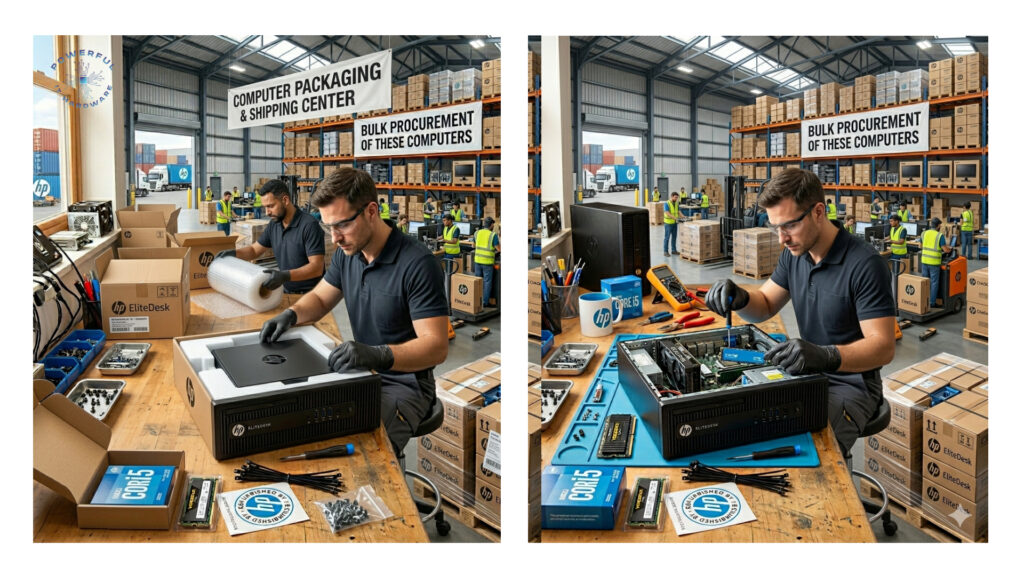
Volume leverage is also a key tool for wholesale buyers. Purchasing in large quantities unlocks better pricing tiers and prioritizes the buyer for high-demand items. When negotiating with refurbishers, buyers should consider bundling different services—such as advanced warranties, imaging, and accessories—to increase their overall purchasing power. By consolidating spend with a single, capable vendor, a business can secure terms that include favorable payment schedules or volume discounts. This centralized procurement strategy not only reduces costs but also simplifies the vendor management process.
Finally, evaluating the certification and grading standards of the refurbisher is essential for maximizing efficiency. Buying “Grade A” or “Certified Refurbished” ensures that the units are in cosmetically and technically excellent condition, reducing the rate of returns and user complaints. A focus on quality over the absolute lowest price per unit often pays dividends in reduced IT friction and higher employee satisfaction. Smart wholesale buyers in 2026 prioritize vendors who offer transparent grading and rigorous quality control, as this reliability translates directly into operational efficiency for their own organizations.
3. Which Strategic Advantages Define the Future of Procurement
3.1 How Warranties and Support Provide Peace of Mind
A common misconception regarding refurbished equipment is that it comes with little to no warranty or support. In 2026, the market for refurbished enterprise hardware has matured to offer support structures that rival those of new equipment. Reputable vendors of hp refurbished computers typically provide a standard one-year warranty, with options to extend this to three years. These warranties often cover parts and labor, including onsite repair services in some cases. This level of coverage mitigates the risk for buyers, ensuring that they are protected against hardware failures just as they would be with a new purchase.
The existence of a robust warranty also signals confidence in the quality of the refurbishment process. Vendors who thoroughly test and replace components in the machines they sell can afford to back them with strong guarantees. For B2B buyers, this transfer of risk is critical. It allows financial controllers to approve purchases without the fear of unexpected repair costs down the line. Moreover, the support experience is often more personalized and responsive when dealing with specialized refurbishers compared to the massive support queues of major OEMs. This direct line to the vendor can expedite resolutions and minimize downtime.
Support contracts can also be tailored to the specific needs of the business. For example, a call center operating 24/7 might require a “next business day” replacement guarantee, whereas a design firm might prioritize “keep your drive” warranties to protect intellectual property during repairs. The flexibility of these service agreements adds significant value to the proposition of buying refurbished. Wholesale buyers can negotiate service level agreements (SLAs) that align with their operational continuity plans, ensuring that their computing infrastructure remains resilient.
In addition to hardware warranties, many refurbishers offer software support options. This can include assistance with deployment, troubleshooting compatibility issues, or even managing the imaging process remotely. As the IT landscape becomes more complex, having a partner who understands both the hardware and the software side of the equation is invaluable. The comprehensive support packages available today transform the purchase of refurbished hp computers for sale from a transactional exchange into a strategic partnership, providing buyers with the peace of mind they need to focus on their core business.
3.2 Why Data Security Is Integral to Refurbished Purchasing
Data security remains a paramount concern for businesses in 2026, and the procurement of used equipment carries specific risks regarding data remnants. However, professional refurbishers have made data sanitization a cornerstone of their operations. The process of preparing a refurbished hp desktop pc for resale involves rigorous data wiping procedures that adhere to industry standards such as the DoD 5220.22-M or NIST 800-88 guidelines. These standards ensure that all previous data is permanently irrecoverable, providing a clean slate for the new owner. For wholesale buyers, this adherence to data sanitization protocols is non-negotiable, and reputable vendors provide certificates of data destruction to verify compliance.
The supply chain security offered by specialized refurbishers also reduces the risk of hardware tampering or the inclusion of malicious components. By sourcing equipment through trusted channels rather than informal marketplaces, businesses can ensure that the machines they receive are genuine and free from interference. This traceability is crucial for maintaining the integrity of the corporate network. Vendors often track units by serial number through the entire refurbishment process, creating an audit trail that enhances security accountability. This rigorous vetting process provides a layer of assurance that is often lacking when purchasing unverified second-hand goods.
Furthermore, the architecture of HP business desktops includes features that support security, such as TPM (Trusted Platform Module) chips and BIOS-level password protections. Refurbishers ensure that these features are reset and functional, allowing the new buyer to implement their own security protocols immediately. The ability to lock down the BIOS and ensure secure boot is essential for preventing unauthorized software installation and malware attacks. By utilizing enterprise-grade hardware like the HP EliteDesk series, buyers benefit from the hardware-rooted security features that were built into the devices during their original manufacture.
Ultimately, the integration of refurbished hardware into a corporate environment is no different from integrating new hardware regarding cybersecurity best practices. However, the cost savings allow businesses to invest more heavily in software security solutions, such as advanced endpoint protection and monitoring tools. By reducing the capital expenditure on the hardware itself, organizations can allocate more budget to securing the digital perimeter. Thus, buying refurbished does not equate to compromising on security; rather, it enables a more balanced allocation of resources across both physical and digital defenses.
3.3 How Access to Legacy Technology Supports Specialized Industries
While the consumer market chases the latest technology, many specialized industries rely on legacy software and hardware interfaces that are incompatible with modern operating systems or chipsets. Industries such as manufacturing, healthcare, and aviation often utilize specialized equipment that requires older versions of Windows or specific legacy ports like serial and parallel ports. Finding new computers that support these requirements is increasingly difficult and expensive. Hp refurbished computers provide a vital lifeline for these sectors, offering access to older generations of hardware that possess the necessary compatibility to run essential legacy applications.
For example, a factory may rely on a CNC machine controlled by software that runs only on Windows 7. A brand-new computer might not have the necessary drivers or may lack the processing architecture to emulate the old environment effectively. A refurbished HP desktop from the Windows 7 era, however, can run this software natively and reliably. Wholesale buyers serving these niche markets value the ability to source specific legacy models that act as dedicated terminals for industrial machinery. This backward compatibility is essential for maintaining operational continuity without the need for costly software rewrites or equipment upgrades.
The consistency of legacy hardware is also beneficial for research and development labs where experimental conditions must be kept constant over long periods. Changing the underlying hardware can introduce variables that affect data and reproducibility. By maintaining a stock of identical refurbished units, labs can ensure that their testing environment remains stable even if a machine fails and needs to be replaced. This preservation of the status quo is critical for scientific accuracy and long-term projects. The availability of a stable inventory of legacy models is a service that specialized refurbishers are uniquely positioned to provide.
Furthermore, the rugged construction of older HP commercial models makes them ideal for harsh environments where aesthetics are irrelevant but durability is paramount. In a warehouse floor or a dusty manufacturing plant, a brand-new sleek plastic computer might not survive, whereas a steel-chassis HP tower from a few years ago is built to withstand such conditions. The refurbishment market ensures that these “workhorse” machines remain in circulation, supporting the industrial backbone of the economy. For wholesale buyers in these sectors, the 2026 tech landscape is not about cutting-edge innovation but about reliable, compatible execution of established processes.
3.4 Which Long-Term Trends Favor the Circular Economy
Looking towards the future, the trend towards a circular economy is only going to accelerate. Governments around the world are implementing “Right to Repair” laws and imposing stricter regulations on e-waste. These legislative changes will make it more expensive and difficult to simply dispose of old electronics, thereby increasing the value of refurbished goods. Refurbished hp computers for sale sit at the heart of this economic model, representing the reuse phase of the “Reduce, Reuse, Recycle” hierarchy. Forward-thinking businesses are aligning their procurement strategies with these anticipated regulatory shifts, ensuring they are ahead of the curve when stricter sustainability standards come into effect.
Corporate culture is also shifting, with a new generation of employees and leaders who prioritize purpose alongside profit. These decision-makers view the circular economy not just as a compliance requirement but as a moral imperative. They are more likely to partner with vendors who demonstrate a commitment to sustainable practices. The refurbishment industry, by its very nature, is an industry of purpose—extending life, reducing waste, and maximizing value. This resonance with corporate values is becoming a decisive factor in vendor selection. B2B buyers are increasingly evaluating the social impact of their supply chain, choosing partners who contribute positively to the community and the environment.
Technological obsolescence is being delayed by software optimizations and the shift to cloud computing, reinforcing the longevity of hardware. As software moves to the browser, the local computer becomes a terminal, diminishing the need for frequent hardware upgrades. This structural change in the IT landscape supports the long-term viability of the refurbished market. The distinction between “new” and “used” is becoming less relevant as the performance differential shrinks and the functional lifespan lengthens. In this context, the smart money is on solutions that offer the best functional value per dollar, which is increasingly found in the refurbished sector.
The narrative of the “smart choice” in 2026 is being rewritten. It is no longer about having the newest gadget on the desk; it is about having the most effective, sustainable, and fiscally responsible technology strategy. Hp refurbished computers embody this strategy perfectly. They offer the performance required for modern business, the reliability expected from a top-tier brand, and the economic efficiency demanded by the market. As the global economy continues to evolve, the organizations that thrive will be those that embrace the circular economy and leverage the immense potential of high-quality refurbished technology. The future of procurement is not just new; it is renewed.
4. Why Choosing HP Refurbished is the Winning Strategy for 2026
The decision to invest in technology in 2026 requires a clear-eyed assessment of value rather than just novelty. Throughout this analysis, it has become evident that hp refurbished computers offer a superior value proposition for budget-conscious buyers who refuse to compromise on quality. By balancing the rigorous standards of enterprise-grade hardware with the economic advantages of the circular economy, businesses can achieve operational excellence without exhausting their capital reserves. This strategic alignment of fiscal responsibility and high performance is the defining characteristic of modern procurement. The ability to deploy robust, tested hardware at a fraction of the cost of new equipment allows organizations to scale efficiently while maintaining the stability of their IT infrastructure.
The wholesale and customization capabilities available in the refurbished market further solidify this choice as a savvy business move. Whether outfitting a large corporate office with a refurbished hp desktop pc or deploying specific legacy models for industrial use, the flexibility offered by specialized vendors is unmatched. The ability to tailor hardware configurations, preload software images, and ensure asset consistency transforms refurbished equipment from a mere cost-saving measure into a comprehensive IT solution. This level of service ensures that businesses do not just buy computers, but invest in a reliable, customized infrastructure that supports their specific workflows and operational goals.
Looking ahead, the convergence of inflationary pressures, supply chain stabilization, and environmental mandates makes the case for refurbished technology irrefutable. The market for refurbished hp computers for sale has matured into a robust ecosystem that offers security, warranty protection, and guaranteed performance. Organizations that pivot to this model now will find themselves ahead of the curve, enjoying lower total cost of ownership and enhanced ESG ratings. The era of automatic new purchases is fading, replaced by a more intelligent, data-driven approach to asset lifecycle management that prioritizes long-term sustainability and resource optimization.
For businesses ready to optimize their IT procurement strategy, the time to act is now. Exploring the extensive inventory of high-quality refurbished options can unlock significant budget savings while delivering the professional tools your team needs. We encourage procurement managers and IT directors to reach out to certified refurbishment partners to discuss their specific hardware requirements and discover how custom solutions can drive their growth in 2026. Make the smart choice today by integrating refurbished HP technology into your roadmap and securing a competitive advantage for your organization.
Frequently Asked Questions
1. Why are hp refurbished computers considered a smart financial choice for businesses in 2026?
Hp refurbished computers offer significant cost savings, often ranging from 30% to 50% less than new models, without compromising on performance. This allows businesses to allocate capital more efficiently, investing in other critical areas like software or employee training. Additionally, the slower depreciation of refurbished equipment improves the overall Return on Investment (ROI), making them a fiscally prudent option for budget-conscious procurement officers.
2. How does the performance of a refurbished hp desktop pc compare to a new model?
Due to the current performance plateau in processor technology, a refurbished hp desktop pc from a recent generation can handle virtually all standard business applications, including cloud-based software and video conferencing, with ease. When upgraded with Solid State Drives (SSDs), these machines often boot and load applications faster than new budget PCs, providing a responsive user experience that meets the demands of modern workflows.
3. Are there wholesale options available for refurbished hp computers for sale?
Yes, most specialized refurbishers cater specifically to wholesale clients, offering bulk pricing and volume discounts. Businesses can order large quantities of identical models to ensure fleet standardization across their organization. These wholesale transactions often come with dedicated account management to ensure specific inventory requirements and delivery timelines are met.
4. What kind of customization services can I expect when buying in bulk?
Wholesale buyers can access a wide array of customization services, including hardware upgrades like increasing RAM or storage capacity. Vendors also provide software services such as operating system installation, corporate image loading, asset tagging, and laser etching for security. This ensures that the refurbished hp computers for sale are “ready-to-deploy” straight out of the box, minimizing IT setup time.
5. Do hp refurbished computers come with warranties?
Reputable vendors typically provide a standard one-year warranty on hp refurbished computers, with options to extend up to three years. These warranties often cover parts and labor and can include onsite repair services. This coverage offers peace of mind comparable to buying new, mitigating the risk of hardware failure and protecting the organization’s investment.
6. How is data security handled during the refurbishment process?
Professional refurbishers adhere to strict data sanitization standards, such as DoD 5220.22-M or NIST 800-88 guidelines, to ensure all previous data is permanently destroyed. Many vendors provide certificates of data destruction for every unit. This rigorous process guarantees that a refurbished hp desktop pc is completely clean and safe for integration into a corporate network.
7. Why is the supply chain for refurbished equipment more stable than for new hardware?
The supply chain for refurbished equipment relies on existing inventory from corporate leases and trade-ins rather than overseas manufacturing and component availability. This independence from global supply chain disruptions means that refurbished hp computers for sale are typically in stock and available for immediate shipment, preventing the long lead times often associated with new equipment.
8. Can buying refurbished technology help meet corporate sustainability goals?
Absolutely. Purchasing refurbished electronics extends the lifecycle of existing devices, significantly reducing e-waste and the carbon footprint associated with manufacturing new hardware. For companies focused on ESG (Environmental, Social, and Governance) criteria, integrating hp refurbished computers into IT fleets is a tangible, data-backed action that demonstrates a commitment to the circular economy.
9. Are refurbished desktops suitable for specialized industries requiring legacy technology?
Yes, the refurbished market is a critical source for legacy hardware that includes older operating systems (like Windows 7) or specific port configurations (serial/parallel) needed for industrial machinery. A refurbished hp desktop pc provides the necessary backward compatibility to run specialized software and equipment that modern new computers cannot support.
10. How do I ensure I am buying high-quality refurbished equipment?
To ensure quality, buyers should look for “Grade A” or “Certified Refurbished” ratings and purchase from established vendors who provide transparent testing procedures and warranty support. It is advisable to request specific grading details regarding cosmetic condition and functional testing. Partnering with a trusted supplier ensures that the hp refurbished computers purchased are reliable, clean, and ready for professional use.