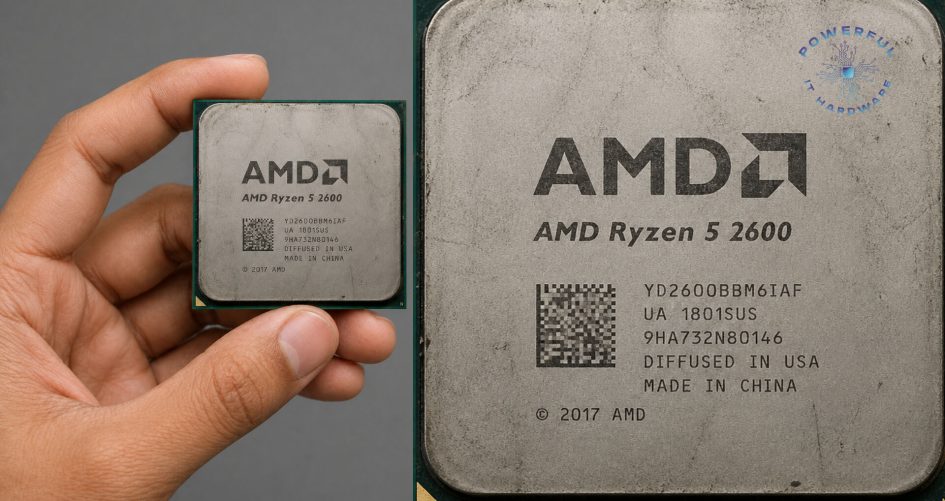
The computer hardware market is undergoing a significant shift as businesses and individual builders alike seek maximum value from their investments. With the rapid pace of technological advancement, high-performance components from previous generations are becoming increasingly accessible. For those looking to build or upgrade budget PCs, the market for used processors offers a unique opportunity to acquire enterprise-grade power at a fraction of the original cost. This trend is not merely about saving money; it is about smart allocation of resources and achieving specific performance goals without the premium price tag of cutting-edge hardware. Understanding this landscape requires a deep dive into the benefits of opting for pre-owned silicon, particularly when focusing on the robust architecture offered by AMD.
For wholesalers, system integrators, and custom PC builders, the availability of a 2nd hand amd processor represents a critical lever for maintaining competitive margins. As we move through 2025 and look toward 2026, market data indicates a sustained demand for budget-friendly computing solutions, driven by economic tightening and the practical realization that last-generation top-tier chips often outperform current entry-level models. Navigating this market effectively involves knowing where to look, such as finding a 2nd hand cpu near me, and understanding the variables that influence 2nd hand cpu price. By leveraging the secondary market, businesses can offer customized, high-performance solutions that meet the rigorous demands of modern software workflows while adhering to strict budget constraints.
1. Why a 2nd Hand AMD Processor Offers Unbeatable Price-to-Performance Ratio
The primary driver for the resurgence of the secondary market is the diminishing returns of incremental upgrades in newer processor generations. In the past, a jump from one generation to the next yielded massive performance gains; today, those gains are often marginal for standard business and productivity tasks. This reality creates a substantial arbitrage opportunity where a 2nd hand amd processor from three years ago can perform on par with, or better than, a brand-new budget chip released this week. For wholesale buyers and custom builders, this means the ability to configure systems with higher core counts and thread counts—features typically reserved for premium tiers—thereby delivering exceptional value to the end client.
The architecture of AMD Ryzen processors has remained remarkably stable and efficient over the last several years, ensuring that older models do not suffer from obsolescence. A high-quality 2nd hand amd processor often features the same Zen architecture optimizations that make modern chips so efficient. This stability allows custom PC shops to standardize their builds around reliable, proven platforms, reducing the time spent on troubleshooting compatibility issues. When a business sources a 2nd hand cpu near me, they are often accessing units that were previously used in controlled environments like corporate offices or mining rigs that have since been decommissioned, ensuring the hardware has a solid track record of reliability.
Market analysis from early 2025 suggests that the resale value of high-performance consumer chips has stabilized, making the 2nd hand cpu price highly predictable for procurement planning. This predictability is vital for wholesalers who need to maintain inventory turnover without the risk of sudden depreciation. By investing in used AMD processors, businesses can undercut their competitors who insist on using only new, boxed components. This strategic pricing model opens doors to price-sensitive market segments, including educational institutions, startups, and creative agencies operating on lean budgets, effectively broadening the customer base.
Furthermore, the concept of “good enough” computing has evolved, and the bar for what constitutes acceptable performance has risen significantly. A 2nd hand amd processor that was once considered top-of-the-line for gaming or content creation is now perfectly suited for demanding B2B applications like video conferencing, data entry, and light rendering. The 2nd hand cpu price for these former flagships is often less than half of the original MSRP, allowing for bulk purchasing strategies. For a custom builder, this means offering a “budget” PC that feels anything but budget to the user, driving customer satisfaction and repeat business through tangible performance delivery.
2. How Custom PC Builders Can Maximize Margins with Wholesale 2nd Hand CPUs
The profitability of a custom PC building business often hinges on the Bill of Materials (BOM) cost. New components, particularly CPUs and motherboards, carry a fixed margin that leaves little room for negotiation or value-added services. By pivoting to a 2nd hand amd processor inventory, builders can drastically reduce their largest variable cost. This reduction in hardware expenditure allows the business to reallocate funds toward other critical aspects of the build, such as faster RAM, high-quality SSDs, or superior cooling solutions. In a wholesale context, the ability to buy these processors in bulk leads to economies of scale that further drive down the per-unit cost.
Customization is the key differentiator in a crowded market, and the lower entry price of a 2nd hand amd processor enables bespoke configurations that would otherwise be financially unfeasible. For instance, instead of building a standard office PC with a quad-core new processor, a builder can spec an eight or twelve-core used CPU for the same total price. This approach creates a specialized product tailored for clients who require multitasking capabilities, such as graphic design freelancers or small video production houses. The flexibility offered by the attractive 2nd hand cpu price empowers builders to market “workstation-grade” performance to small businesses at “desktop-grade” prices.
Locating a reliable supply chain is crucial, and searching for a 2nd hand cpu near me often reveals local wholesalers or IT asset disposition companies that offer bulk lots. Establishing a relationship with these local suppliers can lead to exclusive first-dibs on high-grade corporate off-lease equipment. This local sourcing strategy not only reduces shipping costs and lead times but also provides the opportunity to physically inspect or test the batches before purchase. For a B2B operation, minimizing supply chain friction is essential, and local sourcing of used processors provides a level of agility that international distributors of new parts cannot match.
The narrative around sustainability is also becoming a powerful sales tool. By incorporating a 2nd hand amd processor into builds, companies can market their products as eco-friendly choices that extend the lifecycle of valuable electronics. This resonates particularly well with corporate clients who have Corporate Social Responsibility (CSR) goals to meet. The 2nd hand cpu price becomes secondary to the value proposition of reducing e-waste. As we approach 2026, industry forecasts predict that green procurement policies will become stricter for many organizations, positioning used hardware not just as a budget option, but as a strategic necessity for winning contracts with environmentally conscious partners.
3. Which AMD Processor Lines Offer the Best Value for Wholesale and Custom Builds
Not all processors are created equal, and identifying the specific product lines that hold their value and performance over time is critical for wholesale success. For AMD, the Ryzen “1000” and “2000” series (Zen and Zen+) are now entry-level, but the Ryzen “3000” series (Zen 2) and “5000” series (Zen 3) are currently the sweet spots for value. A 2nd hand amd processor from the Ryzen 5000 series, such as the Ryzen 5 5600 or Ryzen 7 5700X, offers IPC (Instructions Per Clock) performance that rivals many modern alternatives. These chips provide a stable platform for wholesale orders because they are plentiful, reliable, and compatible with the widely available AM4 motherboard socket, reducing system complexity.
The choice of processor dictates the customization potential of the final build. Higher core-count models, such as the Ryzen 7 or Ryzen 9 lines from previous generations, are often available at a 2nd hand cpu price that makes them irresistible for multi-threaded workloads. When a client searches for a 2nd hand cpu near me, they are often looking for these specific high-performance models to upgrade existing rigs without changing the motherboard. For wholesalers, stocking these specific high-demand SKUs ensures faster inventory turnover. It allows them to offer upgrade kits—combining the CPU, a used GPU, and RAM—that maximize the utility of the older AM4 platform which is still prevalent in many offices.
Server and workstation-grade hardware, specifically AMD’s Threadripper and EPYC lines, also presents a niche but lucrative market. While a consumer might not need a 32-core processor, a small rendering farm or a data science startup might find a used EPYC chip to be a game-changer. The depreciation rate on these enterprise chips is steep, meaning a 2nd hand amd processor originally costing thousands can be acquired for a fraction of that cost. This allows specialized custom build shops to create powerful “micro-servers” or deep-learning rigs for a fraction of the cost of new enterprise hardware. The 2nd hand cpu price in the enterprise segment offers the highest potential margin percentage for knowledgeable integrators.
Looking ahead to 2026, the introduction of DDR5 and AM5 platforms will push more AM4 systems into the secondary market, further driving down prices. This creates a projected surplus of high-quality 2nd hand amd processor units that will flood the wholesale channels. Smart buyers will monitor these trends, timing their purchases to coincide with corporate refresh cycles. By understanding which specific models—such as the “G” series with integrated graphics versus the non-G series—are most suitable for different client needs, wholesalers can segment their inventory effectively, ensuring that every unit finds a purpose in a budget PC or custom workstation build.
4. Why Sourcing “2nd Hand CPU Near Me” Creates Supply Chain Advantages
In the hardware distribution business, logistics and lead times are often the silent killers of profitability. Relying on distant suppliers for new parts can introduce delays that disrupt build schedules. Conversely, sourcing a 2nd hand amd processor from local vendors or through a “2nd hand cpu near me” search strategy drastically shortens the supply chain. Local sourcing means that inventory can be replenished within hours rather than days or weeks. This agility allows custom PC builders to accept rush orders and tight delivery windows that competitors relying on slow international shipping simply cannot fulfill. It transforms the supply chain from a logistical burden into a competitive advantage.
Building relationships with local IT asset disposers and corporate liquidators creates a steady pipeline of high-quality hardware. When large local firms upgrade their workstations, they often look to offload hundreds of functional PCs at once. By positioning oneself as a buyer for a 2nd hand amd processor in these transactions, a wholesaler can acquire large volumes of identical components. Uniformity is highly valued in B2B procurement, as it simplifies maintenance and support. The ability to offer a client a fleet of 50 identical computers, powered by identical used CPUs, is a strong selling point that local sourcing facilitates efficiently.
The “near me” aspect also allows for rigorous quality control and testing protocols before the inventory is even listed for sale. When purchasing a 2nd hand amd processor online from a distant marketplace, there is always an element of risk regarding the condition of the item. However, local pickups enable the buyer to inspect pins, verify the stepping of the chip, and even bench-test the processor on the spot. This reduction in “DOA” (Dead on Arrival) incidents saves the business significant time and money. It protects the brand reputation that the custom builder has established, ensuring that the 2nd hand cpu price paid reflects a fully functional, guaranteed product.
Furthermore, reducing the distance components travel contributes to lower carbon footprints, reinforcing the sustainability angle. Transportation is a major contributor to the environmental impact of electronics. By finding a 2nd hand cpu near me, businesses effectively eliminate the emissions associated with air or long-haul ground freight. This can be a compelling part of the marketing narrative when dealing with modern, eco-conscious B2B clients. It allows the vendor to tell a story not just about cost savings, but about local economic support and environmental responsibility, adding layers of value to the transaction that go beyond the technical specifications of the chip.
5. How Fluctuations in 2nd Hand CPU Price Impact B2B Procurement Strategies
Pricing dynamics in the secondary market are influenced by factors distinct from the primary retail market. New CPU prices are set by manufacturers (MSRP) and remain relatively rigid. In contrast, the 2nd hand cpu price is fluid, driven by supply availability, crypto mining trends, and corporate refresh cycles. For a B2B procurement officer, understanding these fluctuations is essential for budget forecasting. When the market is flooded with used hardware, perhaps due to a large number of mining rig closures, the cost of a 2nd hand amd processor can drop precipitously. Smart buyers track these trends and stock up during troughs to secure low costs for future projects.
The volatility of the 2nd hand cpu price actually benefits the agile wholesaler. Unlike the new market, where margins are thin and protected by MAP (Minimum Advertised Pricing) policies, the used market allows for negotiable pricing. A business buying in volume can leverage the fluctuating 2nd hand cpu price to negotiate bulk discounts that are impossible with new products. This flexibility allows B2B service providers to offer variable pricing structures to their own clients. For example, they can offer a client a discount on a large order of budget PCs if the client can wait a few weeks for delivery, capitalizing on anticipated price drops in the used processor market.
For custom PC builders, the lower cost basis provided by a favorable 2nd hand cpu price creates a buffer against inflation in other component areas. If the price of RAM or storage spikes, the savings realized on the CPU can absorb that increase, keeping the final price of the custom build stable. This price stability is a major selling point for long-term clients who appreciate predictable IT budgeting. By utilizing a 2nd hand amd processor as the anchor for the build, the system integrator can protect their margins while offering a fixed price to the customer, regardless of turbulence elsewhere in the supply chain.
Market insights for 2025 suggest that the 2nd hand cpu price for high-performance chips will bottom out as the market saturates with AM4 compatible parts. This presents a “buy low” opportunity for businesses planning their inventory for the next 2-3 years. Investing in these assets now, while prices are low, locks in the cost of goods. As these chips become harder to find in the future, their value in the budget sector may even stabilize or appreciate slightly. Thus, viewing a 2nd hand amd processor not just as a component, but as a tradeable commodity, allows the business to optimize its balance sheet and procurement strategy effectively.
6. Which Performance Metrics Matter Most When Selecting a Used Processor
When evaluating a 2nd hand amd processor, it is crucial to look beyond raw clock speeds and consider the complete performance profile that impacts the end-user experience. For a B2B audience, the most critical metrics often include single-core speed for application responsiveness and multi-core throughput for background tasks. A high core count 2nd hand amd processor, such as a Ryzen 7 or Ryzen 9, offers superior multitasking capabilities. This ensures that a custom-built PC can handle a virus scan, a video conference, and a heavy spreadsheet calculation simultaneously without lagging. These are the tangible performance benefits that justify the investment to a business client.
Thermal Design Power (TDP) is another vital metric, particularly for small form factor custom builds or office environments where noise must be minimized. Older flagship processors sometimes had higher TDPs, requiring robust cooling solutions. However, many mid-range 2nd hand amd processor models, particularly the 65W variants, offer an excellent balance of performance and efficiency. By selecting a CPU with a manageable TDP, builders can reduce the cost of the power supply and cooling system, further optimizing the BOM. The 2nd hand cpu price savings allow for the inclusion of premium low-noise coolers, making the final product more desirable for quiet office settings.
Instruction Per Clock (IPC) efficiency determines how much work a processor does per GHz. AMD’s Zen 2 and Zen 3 architectures, commonly found in the used market, have excellent IPC. This means that a 2nd hand amd processor with a lower clock speed can outperform a newer, lower-end chip with a higher clock speed. For software used in business environments—such as Adobe Creative Cloud or various CAD tools—high IPC is often more beneficial than raw frequency. Wholesalers should prioritize these architectures because they ensure that the budget PCs they build today will remain capable and relevant for years to come, reducing the likelihood of early obsolescence.
Finally, platform upgradability is a hidden metric of value. A 2nd hand amd processor that fits into the AM4 socket ecosystem supports a vast array of motherboards and RAM types. This versatility is a huge advantage for customization. If a client initially buys a low-end Ryzen 3 but later needs more power, they can upgrade to a higher-tier Ryzen 9 on the same motherboard without rebuilding the entire system. This scalability is a strong selling point. When discussing the 2nd hand cpu price with clients, emphasizing the upgrade path transforms the conversation from “buying old tech” to “investing in a flexible platform,” which aligns perfectly with the long-term goals of most businesses.
7. How Integrating 2nd Hand Processors Aligns with 2025-2026 Sustainability Goals
Corporate sustainability is no longer an optional bonus; it is a strategic imperative. As we move through 2025 and into 2026, regulatory frameworks regarding electronic waste (e-waste) are tightening globally. Companies are under increasing pressure to demonstrate circular economy practices. Utilizing a 2nd hand amd processor is a direct and effective action toward meeting these Environmental, Social, and Governance (ESG) criteria. For wholesale vendors and system integrators, offering a line of “Green PCs” built with refurbished components allows them to tap into the growing budgets of organizations specifically looking for sustainable IT solutions. The 2nd hand cpu price becomes secondary to the environmental reporting benefit.
The manufacturing of new processors is an incredibly resource-intensive process, involving rare earth minerals, significant water usage, and high energy consumption. By extending the lifecycle of a 2nd hand amd processor, the demand for new manufacturing is effectively reduced. Industry data suggests that extending the lifespan of a computer by just two years can reduce its carbon footprint by nearly 50%. This statistic is a powerful tool for B2B sales teams. When pitching to a client, the narrative can shift from purely financial to ecological, showing them that buying a budget PC with a used CPU is a responsible decision that helps them meet their internal sustainability targets.
The concept of “Right to Repair” is also gaining legislative traction, supporting the market for used hardware. Manufacturers are increasingly being required to support devices for longer periods and make parts available. This regulatory wind favors the secondary market. A 2nd hand amd processor is the ultimate embodiment of the right to repair—the ability to breathe new life into an older or failing machine. Custom shops that specialize in refurbishment are positioning themselves at the forefront of this movement. By sourcing a 2nd hand cpu near me, these businesses are effectively keeping local e-waste out of landfills and repurposing it for productive use, a story that resonates powerfully in the community.
Looking toward the future, the narrative around technology is shifting from “newer is better” to “smarter is better.” The smart money in 2026 will be on maximizing utility. The high performance of a 2nd hand amd processor ensures that using older tech does not mean using slow tech. It means being efficient. The 2nd hand cpu price allows for the redistribution of technology to underserved markets and non-profits who could never afford new enterprise-grade equipment. For a business, this means their IT purchasing decisions are not just cost-effective but socially impactful, enhancing their brand image and contributing to a more equitable digital landscape.
Conclusion
The market for budget PCs is being redefined by the strategic integration of high-quality, pre-owned components. The benefits of purchasing a 2nd hand amd processor extend far beyond the immediate savings on the invoice. From unlocking superior price-to-performance ratios and enabling bespoke customization for clients to strengthening supply chain resilience and aligning with global sustainability mandates, the advantages are comprehensive. For wholesalers, system integrators, and custom PC builders, understanding the nuances of the 2nd hand cpu price and effectively sourcing a 2nd hand cpu near me are critical skills for remaining competitive in a rapidly evolving landscape.
As we look toward the market trends of 2026, the demand for value-oriented, high-performance computing solutions will only grow. The gap between entry-level new hardware and previous-generation flagstones is widening in favor of the used market, making the 2nd hand amd processor a cornerstone of smart B2B procurement. By embracing this sector, businesses can offer their clients unparalleled value, reduce environmental impact, and maintain healthy margins in a volume-driven industry. The shift toward used hardware is not merely a cost-saving measure; it is a strategic evolution toward a more efficient, sustainable, and practical approach to computing technology.
Frequently Asked Questions
1. Why should a business choose a 2nd hand AMD processor over a new entry-level CPU?
A 2nd hand amd processor from a previous generation’s mid-to-high tier often outperforms a new, entry-level processor in both core count and processing power. For businesses, this means getting workstation-level performance at a budget price. The architecture of older Ryzen chips remains highly efficient for modern office and creative tasks, making them a smarter investment than newer, lower-spec chips that offer limited upgrade paths.
2. How does the 2nd hand CPU price fluctuate, and when is the best time to buy?
The 2nd hand cpu price is influenced by supply from corporate upgrades, crypto mining rig liquidations, and the release of new hardware generations. Typically, the best time to buy is when large corporations off-lease their equipment or immediately following a major new product launch, which floods the market with older inventory. Monitoring these trends allows B2B buyers to purchase in bulk at the lowest possible cost.
3. Where can I find reliable suppliers for a 2nd hand CPU near me?
Searching for a 2nd hand cpu near me often reveals local IT asset disposition (ITAD) companies, corporate liquidators, and specialized wholesale computer parts dealers. Local sourcing offers the advantage of reduced shipping times and the ability to physically inspect the hardware before purchase. Establishing relationships with these local suppliers ensures a steady, reliable stream of high-quality processors for your inventory.
4. Are 2nd hand AMD processors reliable for long-term business use?
Yes, a 2nd hand amd processor is renowned for its durability and longevity, particularly models from the Ryzen 3000 and 5000 series. These processors were originally manufactured to high standards and often spent their first life in stable, temperature-controlled corporate environments. When sourced from reputable wholesalers and tested correctly, these CPUs offer reliability that matches new units, making them excellent for long-term deployment in business settings.
5. How can I verify the quality of a 2nd hand CPU before committing to a bulk order?
Verification should involve stress testing the processors under load to check for stability and thermal performance. It is also crucial to inspect the physical condition of the CPU, ensuring there are no bent pins or physical damage. When buying a 2nd hand cpu near me, request a demo or bench test. For online orders, ensure the supplier provides a warranty or guarantee that covers dead-on-arrival (DOA) units.
6. Which specific AMD models offer the best value for custom budget PC builds?
The Ryzen 5 3600, Ryzen 5 5600, and Ryzen 7 5700X are currently the top contenders for value. These models represent the “sweet spot” in the 2nd hand cpu price spectrum, offering high clock speeds and multi-core performance that handle demanding productivity software effortlessly. Using these specific models allows custom builders to market powerful “budget” PCs that significantly exceed client expectations.
7. How does using a 2nd hand CPU contribute to sustainability and CSR goals?
Incorporating a 2nd hand amd processor into builds directly supports the circular economy by extending the lifecycle of electronic components. Manufacturing new CPUs requires significant energy and rare earth materials; by opting for used hardware, businesses reduce e-waste and lower their carbon footprint. This is a tangible action that companies can use to demonstrate progress in their Corporate Social Responsibility (CSR) and Environmental, Social, and Governance (ESG) reports.
8. Can I build a specialized workstation using a 2nd hand AMD processor?
Absolutely. The used market makes high-performance architectures, such as AMD Ryzen 9 and even Threadripper lines, accessible at a fraction of their original cost. A 2nd hand amd processor with 12 or 16 cores is ideal for specialized tasks like video editing, 3D rendering, or data compilation. The 2nd hand cpu price for these high-tier chips is often low enough to allow businesses to configure dedicated workstations without exceeding their hardware budgets.
9. What kind of warranty can I expect when buying 2nd hand CPUs wholesale?
Warranty terms vary by supplier, but reputable wholesalers typically offer a 30 to 90-day replacement warranty for functional issues. Some premium refurbishers may offer up to a one-year warranty. It is essential to clarify the return policy and warranty coverage before purchasing, especially when buying in bulk to mitigate the risk of receiving a defective unit.
10. Is the AM4 platform still a viable choice for new budget builds in 2025 and 2026?
Yes, the AM4 platform remains a robust and cost-effective choice for budget PCs in 2025 and 2026. Because a 2nd hand amd processor for the AM4 socket is widely available and affordable, it allows for incredibly low BOM (Bill of Materials) costs. Furthermore, the maturity of the AM4 motherboard market means high reliability and feature-rich boards are available cheap, making it the go-to platform for maximizing margins on custom builds.