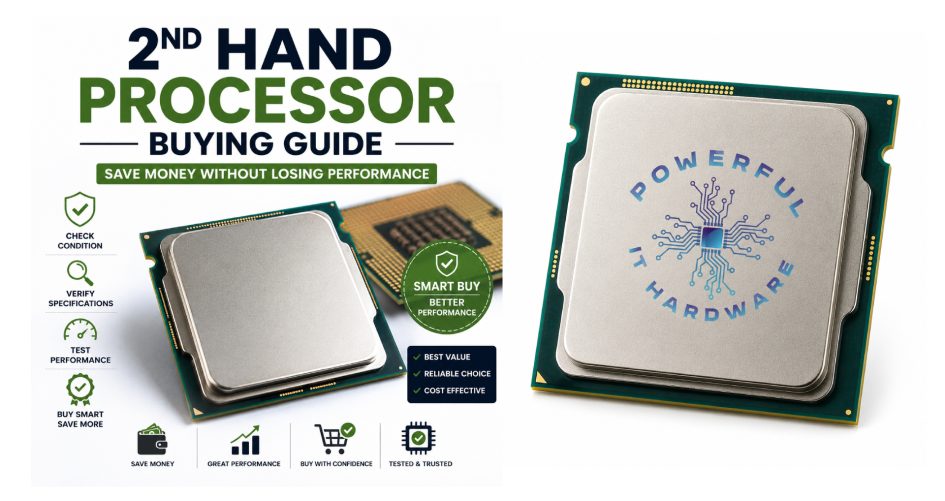
The global IT landscape is undergoing a significant transformation as businesses seek to optimize their infrastructure spending without compromising on computational power. For procurement managers and system integrators, the decision to acquire a 2nd hand processor has evolved from a niche cost-saving measure into a strategic necessity. This guide explores how leveraging the secondary market allows businesses to maintain high-performance standards while drastically reducing capital expenditures. By understanding the nuances of wholesale acquisition and customization, companies can build robust systems that meet the rigorous demands of modern enterprise environments.
1. Why the Market Shift Toward a 2nd Hand Processor is Accelerating in 2025
The acceleration toward the secondary market for computer components is driven primarily by the diminishing returns of new processor generations for standard enterprise workloads. As manufacturing processes for silicon reach physical limits, the performance leap between generations has narrowed, making a 2nd hand processor from a previous tier an incredibly attractive option. Businesses are realizing that high-end chips from two or three years ago often possess more than enough computational power to handle virtualization, databases, and general office tasks. This realization is reshaping procurement strategies, focusing on value retention rather than chasing the latest release date for the sake of novelty.
Financial prudence is another compelling factor fueling this market shift, as wholesale buyers look to maximize the ROI of every hardware dollar spent. Investing in a 2nd hand processor allows companies to allocate their budgets toward other critical areas such as storage solutions, networking gear, or software licensing. The savings achieved by opting for used components are often substantial, sometimes reducing CPU costs by over fifty percent compared to original MSRP. For large-scale deployments, this translates to hundreds of thousands of dollars in savings, enabling faster scaling of operations and a quicker realization of profit for B2B service providers and data centers.
The reliability of modern silicon has also increased confidence in the secondary market, as processors rarely degrade under normal operating conditions provided they are kept within thermal limits. A well-maintained 2nd hand processor can offer a lifespan nearly identical to that of a new unit, making the risk profile much lower than other mechanical components like hard drives. This durability is crucial for IT managers who require stability in their infrastructure. Consequently, the stigma once associated with used hardware is fading, replaced by a data-driven approach to lifecycle management that prioritizes actual performance metrics over the “new” label.
According to 2025 industry statistics, the market for refurbished and used networking and computing equipment is projected to grow at a CAGR of over 12%, outpacing the growth of new equipment sales in certain sectors. This trend indicates a structural change in how B2B buyers view hardware lifecycle management. The circular economy model is gaining traction, not just for environmental reasons but for sheer economic efficiency. As supply chains stabilize post-pandemic, the availability of high-quality, enterprise-grade 2nd hand processor inventory has surged, giving wholesale buyers unprecedented access to top-tier silicon at distressed prices.
2. How to Authenticate Quality When You Buy 2nd Hand CPU for Enterprise
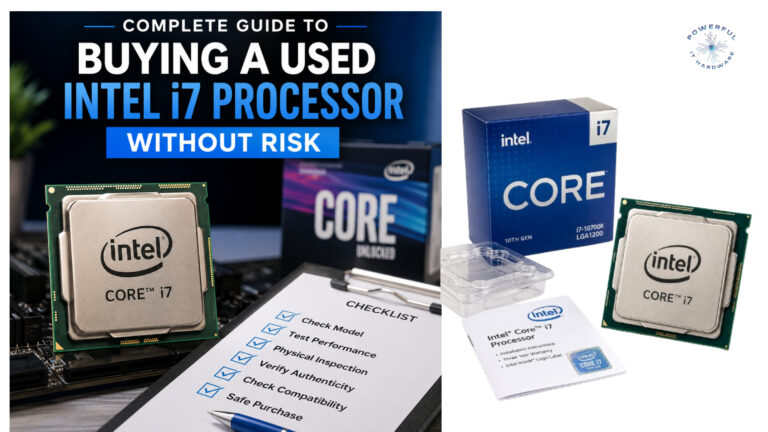
Authenticating the quality of a used CPU requires a rigorous inspection protocol that goes beyond a simple visual check of the pins or contacts. When a business decides to buy 2nd hand CPU units in bulk, the first step involves verifying the physical integrity of the package, looking for any signs of overt overheating such as discoloration on the heat spreader or bent pins in the socket. Physical deformities can indicate past abuse or poor mounting practices, which may have compromised the internal structure of the silicon. Establishing a strict receiving protocol helps wholesale buyers reject substandard units immediately, protecting the investment before testing even begins.
Advanced functional testing is the cornerstone of quality assurance and must be conducted in a controlled environment to ensure stability under load. Simply posting a BIOS screen is insufficient; instead, processors should undergo stress tests using software like Prime95 or AIDA64 for extended periods to verify thermal performance and system stability. When you buy 2nd hand CPU inventory, demanding that the supplier provide test logs demonstrating stability at base and boost clocks is essential. This level of scrutiny ensures that the processors can handle the sustained workloads typical of enterprise environments without crashing or throttling, thereby guaranteeing performance reliability.
Sourcing from reputable wholesale distributors who offer warranties is a critical strategy for mitigating risk in the secondary market. A supplier that stands behind their 2nd hand processor stock with a replacement warranty demonstrates confidence in their grading and testing processes. For B2B buyers, this warranty serves as a safety net, ensuring that if a latent defect manifests after installation, the replacement cost is not absorbed by the end-user. Furthermore, established wholesalers often have access to corporate off-lease equipment, which generally has been maintained in climate-controlled data centers and offers a higher baseline of quality compared to consumer-grade used parts.
Looking toward 2026 market insights, we anticipate the integration of blockchain-based provenance tracking for high-value silicon components, allowing buyers to verify the usage history of a chip instantly. This technological leap will provide an immutable record of the processor’s life, from initial deployment to resale, drastically increasing trust in the 2nd hand processor market. Until this becomes standard, businesses must rely on a combination of physical inspection, rigorous stress testing, and strong vendor relationships to ensure quality. Implementing these robust authentication measures allows procurement teams to confidently integrate used CPUs into mission-critical infrastructure.
3. Which 2nd Hand CPU Generations Deliver Optimal Value for Custom Builds
Identifying the correct generation of processor is pivotal for achieving the balance between cost and performance in custom B2B solutions. For general-purpose office workstations and light virtualization hosts, opting for a 2 nd hand cpu from the Intel Xeon E5 v3 or v4 era, or the AMD EPYC 7001 series, often provides the best price-to-performance ratio. These generations offer sufficient core counts and clock speeds to handle multitasking efficiently while costing a fraction of current-gen silicon. Selecting these specific architectures allows system integrators to build high-density compute nodes without the prohibitive costs associated with newer socket platforms, maximizing the value derived from every custom build.
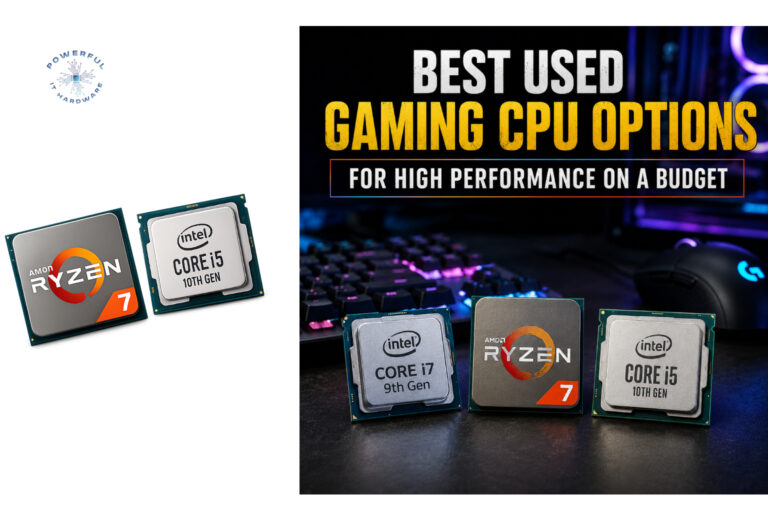
For high-performance computing tasks such as rendering, scientific calculation, or heavy database management, newer generations like the Intel Xeon Scalable 1st and 2nd Gen or AMD Ryzen 5000 series are preferable choices even in the used market. These processors introduce significant IPC (Instructions Per Clock) improvements and higher memory bandwidth over their predecessors. A 2 nd hand cpu from these more recent families ensures that the custom build remains relevant for a longer period, delaying the inevitable cycle of hardware refresh. The higher initial cost of these newer used chips is often justified by the increased throughput and energy efficiency they deliver over older architectures.
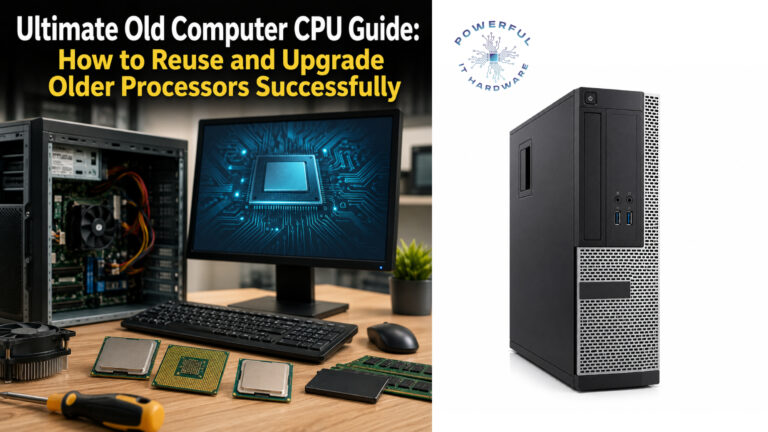
Customization requirements often dictate the specific choice of processor generation, particularly when compatibility with existing infrastructure is a concern. Wholesale buyers must evaluate which socket types are already present in their data centers to avoid the expense of replacing motherboards and RAM. Utilizing a 2 nd hand cpu that matches the existing motherboard ecosystem allows for a seamless drop-in upgrade, instantly boosting processing power with minimal downtime. This approach is highly cost-effective for businesses looking to extend the life of legacy server racks without undergoing a complete forklift upgrade of their hardware environment.
Market analysis for 2025 suggests that the “sweet spot” for value has shifted toward chips that support PCIe 4.0 and higher memory speeds, as software requirements become more demanding. As we move into 2026, industry experts predict a glut of high-end consumer and enterprise processors hitting the secondary market as crypto-mining operations scale down and corporations refresh post-pandemic hardware. This influx will likely depress prices on high-performance 2 nd hand cpu models, making it an ideal time for businesses to secure top-tier processing power for custom builds that would have been financially prohibitive just a few years ago.
4. Why Customization Strategies Are Vital for Wholesale 2nd Hand Processor Sourcing
Customization in the context of wholesale hardware sourcing is not merely a preference but a requirement for optimizing the total cost of ownership. Standard off-the-shelf solutions often include features or performance capacities that go unused, leading to wasted capital expenditure. By focusing on a wholesale 2nd hand processor strategy that prioritizes customization, buyers can tailor their specifications exactly to the workload requirements. This ensures that every dollar spent contributes directly to computational output, eliminating the inefficiency of over-provisioning resources that are common in generic purchasing models.
The ability to mix and match different grades of processors within a wholesale order allows for the creation of tiered infrastructure within a single organization. Not every server node requires the top-tier processing power; for example, storage nodes or backup servers can function efficiently with lower-tier 2nd hand processor models. This hierarchical approach to hardware deployment enables B2B clients to build a balanced and efficient ecosystem where resources are allocated according to priority. Customization facilitates this granular level of resource management, ensuring that high-performance silicon is reserved for critical tasks while less demanding functions utilize cost-effective alternatives.
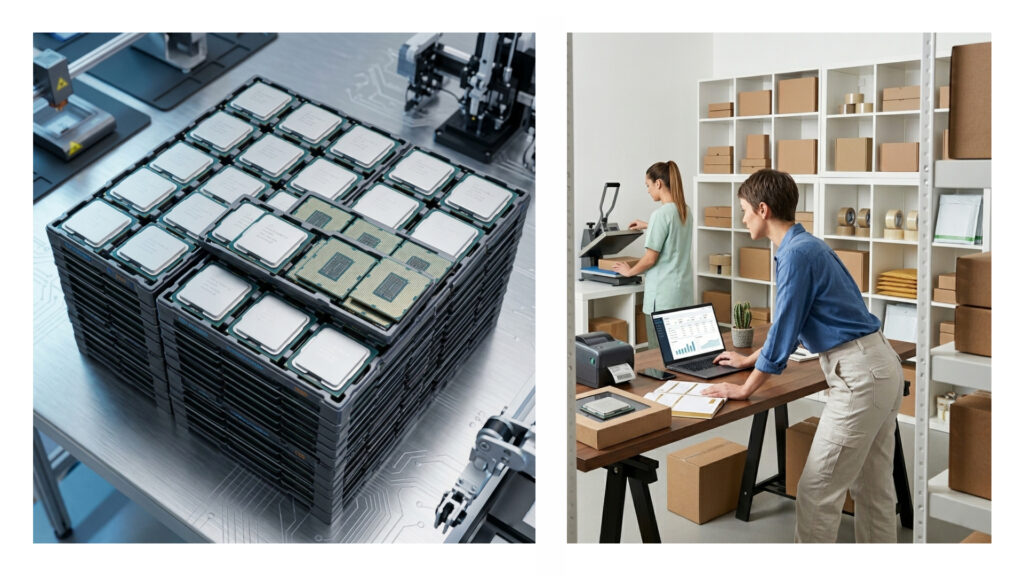
Power consumption and thermal output are critical factors in data center design that can be optimized through customized processor selection. Different architectures have varying Thermal Design Power (TDP) ratings, and selecting a 2nd hand processor that fits within the specific power and cooling constraints of a facility is essential. Customization allows procurement teams to choose high-efficiency models that reduce electricity bills and cooling requirements over the long term. In a wholesale context, where hundreds or thousands of units might be deployed, even a small reduction in TDP per processor can result in massive operational savings, making the customization strategy financially prudent.
Industry forecasts for 2026 indicate that data center operators will increasingly demand “configurable” bulk shipments from hardware vendors to support their unique hybrid cloud architectures. This trend underscores the importance of working with suppliers who understand the technical nuances of a 2nd hand processor and can provide curated batches rather than mixed lots. As energy costs rise and environmental regulations tighten, the ability to customize processor orders to meet specific efficiency standards will become a key differentiator for wholesalers. Adopting this focused approach ensures that the purchased hardware aligns perfectly with the strategic and physical realities of the buyer’s IT infrastructure.
5. How Procurement Teams Can Maximize ROI When They Buy 2nd Hand CPU in Bulk
Maximizing Return on Investment (ROI) when purchasing hardware requires a strategic approach that looks beyond the initial invoice price. The most effective way to secure high value when you buy 2nd hand cpu stock is to negotiate wholesale tiers that account for volume discounts while securing guarantees on chip stepping and batch uniformity. Uniformity in a bulk order simplifies deployment and maintenance, as IT administrators only need to qualify one specific processor model across the entire fleet. This standardization reduces the technical overhead and spare parts inventory required, thereby amplifying the ROI through operational efficiency gains over the lifespan of the hardware.
Strategic timing of purchases plays a crucial role in cost optimization, as the secondary market is subject to fluctuations driven by corporate refresh cycles and the release of new technologies. Monitoring these market trends allows procurement teams to buy 2nd hand cpu inventory when prices are depressed, such as immediately following a major product launch or during large-scale liquidation events. By aligning purchasing schedules with these market dips, businesses can achieve acquisition costs significantly lower than the annual average. This proactive market monitoring transforms the procurement function from a reactive necessity into a strategic financial lever for the organization.
Lifecycle extension strategies should be employed in conjunction with bulk purchasing to stretch the utility of every acquired processor. Instead of replacing entire servers, procurement teams can stockpile a small percentage of spare 2nd hand processor units alongside their main bulk order. These spares ensure that if a unit fails years down the line, it can be replaced immediately without needing to source obsolete technology at a premium. This foresight prevents unplanned downtime and extends the depreciation schedule of the hardware assets, ensuring that the company extracts maximum value from the initial investment over a period of five to seven years.
Looking ahead to 2026, financial models in IT procurement will increasingly factor in the residual value of hardware at the end of its life within the organization. A 2nd hand processor purchased today will retain a portion of its value, especially if it is a high-demand enterprise model, and can be resold or traded in later. Procurement teams that adopt a circular perspective—calculating the total cost of ownership minus the residual resale value—will demonstrate superior financial performance. This sophisticated approach to bulk buying proves that investing in used silicon is not just a cost-saving measure, but a savvy financial strategy in a capital-constrained economic environment.
Conclusion
Navigating the market for used silicon requires a blend of technical scrutiny and strategic foresight, but the financial rewards for B2B buyers are substantial. By focusing on quality authentication, selecting the right generations, and leveraging customization, businesses can build powerful, efficient, and scalable IT infrastructures at a fraction of the cost of new equipment. The data suggests that the trend toward utilizing a 2nd hand processor will only strengthen through 2025 and 2026, offering smarter procurement pathways for cost-conscious enterprises.
To optimize your organization’s hardware budget and ensure you get the best performance per dollar, it is essential to partner with a wholesaler who understands your specific customization needs. Contact our sales team today to discuss your requirements and discover how our wholesale 2nd hand processor solutions can transform your next deployment. Secure your inventory now and position your business for sustainable growth and operational excellence.
Frequently Asked Questions
1. Why should a business consider investing in a 2nd hand processor instead of new hardware?
Investing in a 2nd hand processor allows businesses to significantly reduce capital expenditures while maintaining high computational performance. Modern high-end chips from previous generations often possess ample power for enterprise workloads like virtualization and database management. By opting for used components, companies can allocate their budgets toward other critical infrastructure areas, achieving a better overall ROI without sacrificing the operational speed required for B2B environments.
2. How can I ensure reliability when I choose to buy 2nd hand CPU units for my data center?
Reliability is ensured through a rigorous authentication process that includes visual inspection for physical damage and advanced functional stress testing. When you buy 2nd hand cpu inventory, it is essential to source from reputable wholesalers who provide test logs demonstrating stability under load. Additionally, working with suppliers who offer replacement warranties mitigates risk, ensuring that any latent defects are addressed without impacting your bottom line.
3. Which specific generations of a 2 nd hand CPU offer the best value for custom builds?
For general-purpose workstations, the Intel Xeon E5 v3/v4 or AMD EPYC 7001 series provide an excellent price-to-performance ratio. For high-performance computing tasks requiring newer instruction sets, a 2 nd hand cpu from the Intel Xeon Scalable 1st and 2nd Gen or AMD Ryzen 5000 series is preferable. Selecting the right generation depends on balancing the specific workload requirements against the budget constraints of the custom build project.
4. How does customization impact the procurement strategy when buying in bulk?
Customization allows procurement teams to tailor hardware specifications exactly to their workload needs, avoiding the inefficiency of over-provisioning. When sourcing a 2nd hand processor in bulk, focusing on customization ensures that the thermal design power (TDP) and socket compatibility align perfectly with existing infrastructure. This strategic approach minimizes operational costs related to cooling and power consumption while maximizing the computational output of the deployed hardware.
5. What are the risks associated with the decision to buy 2nd hand CPU stock, and how are they mitigated?
The primary risks include receiving hardware with hidden defects or inconsistent quality across a large batch. These risks are mitigated by establishing strict quality assurance protocols and only partnering with established wholesale distributors who stand behind their products. When you buy 2nd hand cpu units from trusted sources, the reduced risk profile combined with substantial cost savings makes it a secure and intelligent financial decision for B2B buyers.
6. Why is the market demand for a 2nd hand processor projected to grow through 2026?
Market demand is growing because the performance gap between processor generations has narrowed, making older high-end models increasingly viable for enterprise tasks. The circular economy model is gaining traction in B2B sectors due to its financial and environmental benefits. As supply chains stabilize and more corporate off-lease equipment enters the market, the availability of high-quality 2nd hand processor inventory continues to rise, driving adoption rates up.
7. How can I verify if a 2 nd hand CPU is compatible with my current server infrastructure?
Verification involves checking the socket type, chipset compatibility, and BIOS support of your current motherboards against the specifications of the used processor. It is crucial to ensure that the 2 nd hand cpu supports the necessary instruction sets and peripheral speeds (such as PCIe lanes) required by your applications. Consulting with your wholesaler about compatibility testing before purchase can prevent deployment issues and ensure a seamless integration into your existing rack systems.
8. What testing standards should be in place before I buy 2nd hand CPU inventory for critical applications?
Before finalizing a purchase to buy 2nd hand cpu stock for critical use, insist on stress testing protocols that run for extended periods, such as Prime95 or AIDA64 tests. These tests verify thermal stability and ensure the processor can handle sustained loads without throttling or crashing. Ensuring that the wholesale supplier adheres to these high testing standards guarantees that the hardware will perform reliably under the pressure of demanding B2B applications.
9. How does a 2nd hand processor contribute to a tiered infrastructure strategy?
A tiered infrastructure strategy utilizes different hardware grades for different tasks, and a 2nd hand processor is perfect for lower-tier nodes like storage servers or backup units. By reserving the newest, most expensive silicon for critical front-end tasks and using reliable, cost-effective used processors for backend functions, businesses optimize their resource allocation. This approach maximizes efficiency and ensures that high-performance power is not wasted on undemanding processes.
10. What future market trends should I be aware of when sourcing a 2 nd hand CPU?
Looking toward 2025 and 2026, buyers should anticipate an influx of high-performance silicon hitting the secondary market as crypto-mining operations scale down and corporations refresh post-pandemic hardware. This trend is expected to lower prices on high-end models. Furthermore, the industry is moving toward better provenance tracking, which will soon allow buyers to verify the history of a 2 nd hand cpu instantly, further increasing confidence and transparency in the wholesale market.