Introduction
As the digital landscape accelerates toward 2026, the role of hardware infrastructure in maintaining business competitiveness has never been more pronounced. The performance of a modern PC, whether used for complex data analysis or high-volume multitasking, hinges significantly on the quality and capacity of its computer memory RAM. For wholesalers, system integrators, and procurement managers, understanding the nuances of memory selection is crucial for delivering systems that meet the escalating demands of professional software and operating systems. Making informed decisions about computer memory RAM today ensures that the hardware deployed remains relevant and efficient in the face of rapid technological advancements.
The volatility of the global tech market, coupled with the release of next-generation processors, necessitates a strategic approach to component selection. Laptop RAM and desktop memory modules are no longer generic commodities; they are specialized components that require careful consideration of compatibility, speed, and future scalability. Industry forecasts for late 2025 and early 2026 suggest a surge in demand for high-speed, high-capacity modules driven by the integration of AI capabilities into standard business applications. Consequently, businesses looking to procure or customize PC fleets must prioritize memory solutions that offer stability, performance headroom, and supply chain reliability.
Furthermore, the shift toward remote and hybrid work models has placed a premium on system responsiveness and reliability. A deficit in computer memory RAM can lead to system throttling, decreased productivity, and a negative user experience, which directly impacts a company’s bottom line. For wholesale buyers, the challenge lies in balancing cost with performance, ensuring that the selected memory modules provide the best value proposition for their specific customer base. This guide aims to navigate the complexities of the memory market, offering insights into how to choose the right laptop RAM and desktop memory to optimize performance for the year ahead and beyond.
1. Why Upgrading Computer Memory RAM Is Critical for Future-Proofing Your Business
The rapid evolution of software and operating systems demands that hardware components keep pace, making the choice of computer memory RAM a pivotal decision for any business strategy. In 2024 and heading into 2026, applications are becoming increasingly memory-hungry, utilizing vast amounts of data to deliver AI-driven insights and high-fidelity graphics. For wholesale buyers and IT procurement managers, ensuring that deployed systems have sufficient RAM is not merely about performance; it is about longevity and return on investment. As virtualization and multitasking become standard in professional environments, inadequate memory can lead to bottlenecks that stifle productivity and frustrate end-users.
Market data from late 2025 indicates a significant shift in enterprise requirements, with the average computer memory RAM capacity in new business laptops rising to 16GB as the baseline standard. This trend is driven by the proliferation of hybrid work environments and resource-intensive cloud-based applications that require local caching to function smoothly. Businesses that opt for lower capacity modules today often face premature hardware turnover, as upgrading individual components can be logistically challenging across large fleets. Therefore, selecting high-capacity memory now is a cost-effective strategy to extend the lifecycle of PC fleets and reduce total cost of ownership.
From a wholesale perspective, offering pre-configured or customizable computer memory RAM options allows resellers to cater to diverse market segments, from entry-level office workers to high-end content creators. Customization enables value-added services, such as optimizing memory timings for specific workflows or ensuring module compatibility with proprietary software suites. By understanding the trajectory of software requirements, wholesalers can stock the right mix of DDR4 and DDR5 modules, ensuring their clients are equipped to handle the heavy computational loads expected in 2026. This proactive approach to inventory management and product specification solidifies business relationships and fosters trust.
The impact of insufficient memory extends beyond mere sluggishness; it fundamentally affects the stability of complex operations. When computer memory RAM is maxed out, systems rely on slower storage drives for temporary data, creating a bottleneck that negates the benefits of high-speed CPUs and SSDs. For B2B clients, this inefficiency translates to lost man-hours and potential revenue. By prioritizing robust memory configurations in procurement packages, businesses can ensure seamless operation of virtual machines, large databases, and communication platforms. Investing in superior memory is essentially investing in operational continuity and workforce efficiency.
1.1 How Computer Memory RAM Demand is Shifting in 2026
The demand for computer memory RAM is undergoing a transformative shift as we approach 2026, influenced heavily by the mainstream adoption of AI and machine learning in consumer and business software. Recent industry statistics from late 2025 reveal that the global RAM market is experiencing a compound annual growth rate (CAGR) surge, driven largely by the need for higher bandwidth to support concurrent processing tasks. Standard office suites are evolving to include real-time collaboration features and AI-assisted formatting, which require substantially more background processing power than their predecessors. This evolution means that the 8GB standard of previous years is quickly becoming obsolete for professional use cases.

For laptop manufacturers and assemblers, this shift necessitates a reevaluation of default specifications. Laptop RAM configurations must now account for the thermal and power constraints of portable devices while delivering higher performance. The trend toward soldered memory in ultrabooks complicates the upgrade path, making the initial selection of capacity even more critical for wholesale buyers. When sourcing devices for corporate clients, the focus must be on scalable solutions or high-base configurations that prevent the need for premature device replacement. Understanding these shifting demands allows wholesalers to advise their clients accurately, ensuring they purchase devices that remain capable throughout their depreciation cycle.
Moreover, the gaming and creative sectors are pushing the boundaries of what standard computer memory RAM can achieve, driving innovations in latency and throughput. As 4K video editing and 3D rendering become more accessible to small businesses, the requirement for memory modules with faster speeds and lower CAS latency becomes pronounced. B2B buyers serving these sectors need to look beyond capacity and consider the technical specifications that influence data transfer rates. By stocking performance-oriented memory, wholesalers can tap into the lucrative prosumer and SME markets that require specialized hardware solutions tailored to high-intensity workflows.
The integration of edge computing and IoT devices in business operations also contributes to the changing landscape of memory demand. These devices often require efficient, low-power computer memory RAM that can operate reliably in varied environmental conditions without compromising speed. For customization specialists, this presents an opportunity to offer ruggedized or industrial-grade memory solutions that differ from standard consumer-grade modules. As the lines between traditional computing and smart infrastructure blur, the ability to provide specialized memory configurations will become a key differentiator in the wholesale computer hardware market.
1.2 Which Types of Computer Memory RAM Dominate the Wholesale Market
Navigating the wholesale market for computer memory RAM requires a clear understanding of the prevailing technologies, specifically the transition from DDR4 to DDR5. As of 2025, DDR4 remains a dominant force in the volume market due to its maturity, stability, and cost-effectiveness, making it a popular choice for bulk office PC deployments. However, DDR5 is rapidly gaining market share, offering double the bandwidth and improved power efficiency over its predecessor. For businesses planning hardware rollouts in 2026, the decision between sticking with the affordability of DDR4 or investing in the future-proofing of DDR5 is a critical strategic consideration.
Laptop RAM markets are seeing a faster adoption rate of DDR5 compared to desktops, primarily because new mobile processor platforms have aggressively integrated support for this new standard. Wholesale suppliers must maintain a balanced inventory that caters to both legacy upgrade demands and new system builds. While DDR5 offers superior performance, the price point is still higher, which can be a deciding factor for cost-sensitive procurement projects. Suppliers offering customization services can provide hybrid solutions, allowing businesses to phase in DDR5 technology incrementally without overextending their IT budgets.

Another significant distinction in the wholesale market involves the form factor, specifically the choice between SO-DIMM for laptops and mini-PCs versus standard DIMM for desktop towers. The compact form factor market is exploding, driven by the space-saving needs of modern offices and call centers. Consequently, the demand for high-capacity laptop RAM and SO-DIMM modules is outpacing that of standard desktop memory in certain regions. Wholesalers who recognize this geographical and sectoral shift can optimize their stock to match the specific form factors required by their client base, thereby reducing inventory holding costs and increasing turnover rates.
Reliability and brand reputation also play a substantial role in which types of memory dominate the wholesale sector. B2B clients prioritize stability and warranty support over marginal performance gains, often favoring established manufacturers that provide rigorous testing for their computer memory RAM modules. Custom firmware or specialized heat spreaders are additional features that can influence purchasing decisions for high-performance computing environments. By curating a selection of memory modules from tier-one manufacturers and offering extended warranty options, wholesalers can build a reputation for reliability and quality assurance in a competitive market.
1.3 How to Evaluate Reliability and Compatibility in Bulk Orders
When placing bulk orders for computer memory RAM, the primary concern for any B2B buyer must be the assurance of compatibility across a wide range of system architectures. A common pitfall in wholesale procurement is the assumption that a generic module will function optimally across all motherboards bearing the same socket type. In reality, subtle differences in motherboard BIOS and memory controllers can lead to instability when mixing modules from different batches or manufacturers. To mitigate this risk, it is essential to work with suppliers who offer chip-level matching and rigorous validation testing for their bulk orders, ensuring uniform performance across the entire deployment.

For laptop RAM, the compatibility matrix is even more complex due to the proprietary nature of many portable designs and the increasing prevalence of soldered memory. However, for systems that do support upgrades, verifying the exact voltage, timing, and form factor is non-negotiable. Wholesale buyers should demand detailed datasheets and compatibility lists from manufacturers before committing to large-scale purchases. This due diligence prevents the logistical nightmare of receiving unusable stock and ensures that the upgrade process for client fleets is seamless and efficient. Establishing a protocol for pre-shipment testing can save significant time and resources in the long run.
Reliability in a professional context extends beyond the module’s ability to boot; it encompasses long-term stability under continuous load. Data centers and enterprise workstations require computer memory RAM that can handle 24/7 operation without error, necessitating the use of enterprise-grade or server-grade memory in specific scenarios. These modules often feature error-correcting code (ECC) which detects and corrects data corruption, a vital feature for mission-critical applications. While ECC memory comes at a premium, its inclusion in customization packages for financial or medical institutions provides a strong value proposition and differentiates a wholesaler’s offering from consumer-focused competitors.
Furthermore, the supply chain reliability of the memory vendor is a critical component of the evaluation process. The global semiconductor shortage has highlighted the risks associated with relying on a single supplier or region for critical components like computer memory RAM. Diversifying sourcing strategies and partnering with distributors who have buffered stock can protect businesses from market volatility. For customization services, the ability to secure consistent batches of memory ensures that future expansions or repairs can be performed with matching hardware, preserving system integrity and simplifying maintenance protocols for end-users.
2. How to Match Computer Memory RAM Specifications with Business Needs
Selecting the right computer memory RAM involves a deep analysis of the specific workflows and software environments utilized by the end-user. Generic recommendations often fail to address the nuanced requirements of different business verticals, such as accounting, graphic design, or software development. For instance, a CAD engineer working with massive 3D models requires vastly different memory characteristics compared to a data entry clerk. Wholesalers and system integrators must adopt a consultative sales approach, diagnosing the client’s performance bottlenecks and recommending memory specifications that directly address those pain points.
Capacity planning is the first step in this matching process, with the general rule being that more capacity allows for more concurrent applications and larger datasets. However, simply maximizing capacity is not always the most cost-efficient strategy for bulk deployments. Understanding the “sweet spot” for computer memory RAM in 2026 involves analyzing the memory footprint of the client’s specific software stack. For example, while 32GB might be ideal for developers, a fleet of customer service representatives might operate perfectly efficiently with 16GB, allowing the business to allocate budget elsewhere. Tailoring recommendations based on actual usage data adds significant value to the wholesale transaction.
Speed, measured in megatransfers per second (MT/s), is another critical specification that must be aligned with business needs. While higher speed memory offers better theoretical bandwidth, the real-world performance gain depends heavily on the processor and motherboard’s ability to utilize that speed. For high-frequency trading or real-time video processing, investing in the fastest available laptop RAM and desktop memory is justified. However, for standard administrative tasks, the marginal performance increase may not warrant the additional expense. A skilled wholesaler will guide clients toward the most cost-effective performance tier that meets their operational requirements without overspending on unnecessary specs.
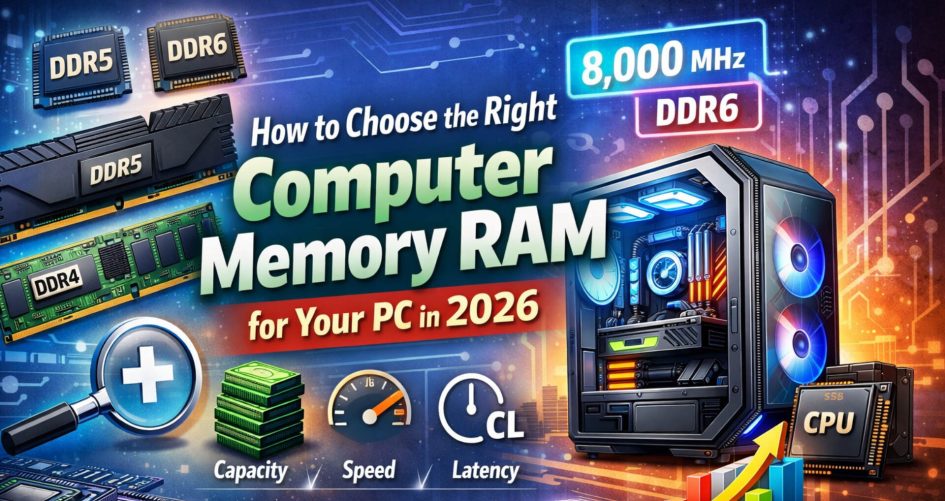
Latency, often referred to as CAS latency (CL), also plays a role in specific high-performance scenarios. Lower latency numbers indicate a shorter delay between the memory requesting data and the data being available. For businesses involved in scientific computing or complex simulations, low-latency computer memory RAM can reduce calculation times and improve throughput. By educating clients on the interplay between capacity, speed, and latency, wholesalers can position themselves as trusted advisors rather than mere commodity sellers. This expertise is crucial for closing high-value B2B deals and fostering long-term client loyalty.
2.1 Why Customization of Memory Configurations Offers a Competitive Edge
In a saturated hardware market, the ability to offer customized computer memory RAM configurations serves as a powerful differentiator for wholesalers and system builders. Off-the-shelf systems often cater to the lowest common denominator, leaving power users and specialized industries with hardware that is either underpowered or wastefully over-spec’d. By providing customization options, businesses can tailor PC fleets to the exact requirements of their departments, optimizing budget allocation and enhancing user productivity. This bespoke approach signals a commitment to client success and moves the relationship beyond transactional vendor interactions.
Customization is particularly relevant for laptop RAM, where the constraints of the chassis often necessitate careful balancing of performance against heat generation and power draw. A customization service can offer high-performance memory for creative teams while providing power-efficient modules for sales staff who prioritize battery life. This level of granularity in product offering allows resellers to capture a broader share of the corporate IT budget by addressing the specific needs of every user profile within an organization. It also opens upselling opportunities, as clients recognize the value added by the tailored configuration.
Furthermore, the aesthetic aspect of memory customization should not be underestimated, especially for client-facing industries or modern open-plan offices. While RGB lighting and heat spreaders may seem superficial, they contribute to the perceived value and modernity of the hardware. For computer memory RAM destined for executive suites or demonstration rigs, offering visually distinct modules can enhance the brand image of the deploying company. Even in traditional B2B settings, custom-branded heat spreaders or label printing on modules can serve as a subtle marketing tool for the wholesaler or the end-client.
The logistical capability to assemble and test custom memory configurations requires robust operational infrastructure, but the financial rewards justify the effort. Clients are willing to pay a premium for the assurance that their systems arrive pre-configured, tested, and ready for deployment. This service eliminates the internal resource drain associated with imaging and configuring hundreds of machines. By streamlining the deployment process through customized computer memory RAM solutions, wholesalers provide a turnkey experience that simplifies IT operations for their clients, thereby securing recurring business and contract renewals.
2.2 Which Memory Form Factors Suit Different PC Builds
Choosing the correct form factor is a fundamental aspect of selecting computer memory RAM, as it dictates physical compatibility with the system. The two primary form factors are DIMM (Dual In-line Memory Module), used in desktops and servers, and SO-DIMM (Small Outline Dual In-line Memory Module), used in laptops and mini-PCs. For wholesale buyers managing diverse inventory, understanding the application of each form factor is essential to meet the varied demands of their client base. A failure to distinguish between these can result in procurement errors that are costly to rectify.
In the realm of desktop computing, the standard DIMM remains the workhorse for corporate towers and workstations. However, the rise of Small Form Factor (SFF) PCs in call centers and reception desks has increased the demand for low-profile computer memory RAM. These modules are designed to fit into compact cases without obstructing CPU coolers or airflow. Wholesalers catering to office fit-outs must ensure their inventory includes these low-profile variants to accommodate the trend toward smaller, quieter, and more desk-efficient workspace designs. This attention to physical constraints can significantly enhance the reputation of a supplier.
Laptop RAM, exclusively utilizing the SO-DIMM form factor, requires a different inventory strategy. Given the high volume of laptop sales in the B2B sector, maintaining a deep stock of various SO-DIMM capacities and speeds is crucial. Additionally, the emergence of ultra-thin business laptops has introduced constraints on module height, requiring specialized “low profile” SO-DIMMs in some instances. Customization services here can involve upgrading memory before the device reaches the end-user, providing a high-performance machine out of the box. This pre-configuration is highly valued by IT departments that wish to minimize hands-on time with individual units.
Beyond the standard consumer and enterprise form factors, there is also a niche market for industrial and embedded memory solutions. These applications often require computer memory RAM that can withstand extreme temperatures, vibration, and shock. While not a high-volume category for general IT wholesalers, having access to or partnerships with suppliers of ruggedized memory can open doors to specialized contracts in manufacturing, logistics, and defense. Recognizing and catering to these specialized form factor requirements demonstrates a comprehensive understanding of the hardware landscape.
2.3 How to Assess Warranty and Support for Wholesale Purchases
The terms of warranty and support for computer memory RAM are often the deciding factors in B2B procurement contracts. Unlike individual consumers, businesses operate on longer depreciation cycles and require hardware that is covered against failure for an extended period. A standard lifetime warranty often found on consumer modules may not offer the same level of service as a commercial warranty that includes advance replacement and dedicated technical support. Wholesalers must clarify the specifics of the warranty terms to ensure they meet the rigorous demands of their enterprise clients.
For high-volume deployments, the cost of memory failure can be astronomical when factoring in downtime and IT labor. Therefore, the inclusion of services like on-site support or cross-shipment programs for defective laptop RAM and desktop modules is highly attractive. These services minimize the disruption caused by hardware failure, allowing IT staff to swap out faulty components immediately without waiting for the return process. Negotiating favorable support terms with memory manufacturers enables wholesalers to bundle these value-added services into their offerings, thereby increasing the competitiveness of their proposals.
Reliability data and Mean Time Between Failures (MTBF) ratings are also critical metrics when assessing support needs. Enterprise-grade computer memory RAM typically boasts higher MTBF ratings compared to consumer-grade parts, reflecting the use of higher-quality silicon and more stringent testing processes. When presenting options to clients, wholesalers should highlight these metrics to justify potential price premiums. Providing transparency regarding the quality control measures and testing protocols used by the manufacturer builds confidence in the product’s durability and reduces the perceived risk for the buyer.
Finally, the process of claiming on a warranty should be as frictionless as possible. B2B clients prefer suppliers who act as a single point of contact for all warranty issues, rather than being directed to deal with the component manufacturer directly. By assuming the role of the primary interface for warranty claims, the wholesaler strengthens their relationship with the client. This white-glove service model is particularly effective when dealing with complex customization projects where multiple components, including computer memory RAM, are sourced from various vendors but supported under a single umbrella.
3. Why Strategic Sourcing of Computer Memory RAM Impacts Profitability
Strategic sourcing of computer memory RAM is a discipline that goes beyond simply finding the lowest unit price. In the volatile semiconductor market, prices can fluctuate wildly based on supply chain disruptions, currency exchange rates, and geopolitical events. For wholesalers and large-scale buyers, developing a sourcing strategy that accounts for these variables is essential for protecting profit margins. Locking in prices during market troughs or hedging against price increases can result in significant cost savings, directly impacting the bottom line.
The 2025-2026 market forecast suggests that while DDR4 prices may stabilize, DDR5 will experience price volatility as production yields improve and adoption scales. Buyers who time their purchases of computer memory RAM effectively can gain a competitive edge by offering more aggressive pricing to their clients. Furthermore, diversifying sourcing across multiple geographic regions can mitigate the risk of localized supply shocks. A robust sourcing strategy ensures that inventory is available when demand spikes, preventing stockouts that can drive customers to competitors.
Building strong relationships with memory manufacturers and authorized distributors is a cornerstone of strategic sourcing. These partnerships often grant buyers access to priority allocation during shortages, early access to new technologies, and favorable payment terms. For businesses offering customization, having a direct line to the factory can facilitate special orders, such as custom-branded heat spreaders or specific timing configurations. This relationship leverage transforms the procurement of computer memory RAM from a tactical purchase into a strategic asset that drives business growth.
Inventory carrying costs also play a significant role in profitability. Holding too much obsolete stock, such as DDR3 or early-generation DDR4, ties up capital and risks depreciation. Conversely, holding too little stock during a surge means missed revenue opportunities. Successful wholesalers utilize data analytics to forecast demand trends accurately, optimizing their stock levels of laptop RAM and desktop memory. By aligning inventory levels with market demand and technological transitions, businesses can maximize turnover rates and maintain healthy cash flow.
3.1 How to Leverage Bulk Buying for Computer Memory RAM
Leveraging bulk buying power is the most effective way to reduce the cost per unit of computer memory RAM. Manufacturers offer substantial tiered pricing discounts that incentivize large volume purchases. For system integrators and retailers, consolidating orders to meet these bulk thresholds can lead to drastic improvements in gross margin. This strategy requires accurate demand forecasting and efficient inventory management to ensure that the capital invested in bulk stock does not stagnate. However, when executed correctly, the savings achieved can be passed on to end-clients or retained as profit.
Consolidated shipping and logistics also represent a hidden cost saving in bulk transactions. Ordering smaller quantities frequently increases shipping costs and administrative overhead. By purchasing computer memory RAM in larger, less frequent batches, businesses can optimize their logistics spend and reduce the per-unit handling cost. This efficiency is particularly relevant when dealing with international suppliers, where freight charges and customs duties can significantly impact the landed cost. Streamlining the logistics flow through bulk purchasing contributes to a leaner operational model.
Bulk buying also opens the door for negotiation of better payment terms, such as extended net days or financing options. Improved cash flow terms allow businesses to sell the computer memory RAM and generate revenue before paying the supplier, effectively using the vendor’s capital to fund operations. This financial leverage is a critical advantage for growing wholesalers who need to manage cash flow carefully while scaling their inventory. Negotiating these terms requires a strong credit history and a proven track record with the supplier.
Furthermore, committing to bulk purchases can secure allocation of high-demand products that are in short supply. During the initial rollout of new standards like DDR5, supply often lags behind demand. Buyers who commit to significant volume upfront are often prioritized by manufacturers, ensuring they have stock when competitors are facing shortages. This advantage allows them to dominate the market for cutting-edge laptop RAM and desktop modules, capturing early adopter premiums and establishing market leadership as the new standard proliferates.
3.2 Which Market Trends Influence Computer Memory RAM Prices in 2026
Several key market trends are poised to influence the pricing of computer memory RAM as we move into 2026. One of the most significant factors is the global ramp-up of DDR5 production. As fabrication yields improve and economies of scale kick in, the price premium for DDR5 over DDR4 is expected to narrow, accelerating adoption. However, during this transition period, prices may remain volatile. Wholesalers need to monitor fab utilization rates and capital expenditure reports from major chip manufacturers to anticipate these price shifts and adjust their purchasing strategies accordingly.
The expansion of data centers and the continuous growth of cloud computing infrastructure exert constant upward pressure on memory demand. Server-grade computer memory RAM, particularly high-capacity modules, often commands higher prices due to the rigorous testing and ECC features required. As enterprises migrate more workloads to the cloud, the demand for these enterprise modules competes with the consumer market for production capacity. This cross-sector competition can tighten supply and drive up prices across the board, affecting even standard desktop and laptop memory segments.
Geopolitical factors and trade policies continue to play a disruptive role in the semiconductor supply chain. Tariffs, export restrictions, and regional trade agreements can alter the cost structure of laptop RAM and desktop memory overnight. For instance, changes in trade relations between major manufacturing hubs in Asia and consumer markets in North America and Europe can lead to sudden cost increases. Savvy buyers maintain a flexible supply chain, capable of sourcing from alternative regions if necessary to mitigate the impact of geopolitical instability on pricing.
Finally, the pace of innovation in AI and high-performance computing creates new tiers of premium memory products. Specialized memory designed for AI accelerators or graphics processing often carries a significant price premium. While these are niche products, the technological spillover often benefits the mainstream market. However, the initial focus of manufacturers on these high-margin products can constrain the supply of standard computer memory RAM, temporarily inflating prices. Staying abreast of these technology roadmaps allows buyers to distinguish between short-term price spikes and long-term structural changes in the market.
3.3 How to Build Long-Term Partnerships with Memory Vendors
Building long-term partnerships with memory vendors is essential for securing a reliable supply of computer memory RAM and gaining access to exclusive benefits. These relationships are built on trust, consistent volume, and clear communication. Vendors are more likely to go the extra mile for partners who demonstrate loyalty and provide accurate forecasting. By sharing sales data and future project pipelines with vendors, wholesalers enable suppliers to plan their production, fostering a symbiotic relationship that benefits both parties.
Joint business planning (JBP) is a strategic tool that formalizes this collaboration. A JBP involves setting shared goals, defining marketing strategies, and agreeing on inventory targets for computer memory RAM. This alignment ensures that the vendor is invested in the wholesaler’s success. In return for the commitment, wholesalers often receive marketing development funds (MDF), priority support, and early access to new product launches. This strategic alignment transforms a transactional vendor relationship into a strategic partnership that drives mutual growth.
Transparency during market downturns is another hallmark of a strong partnership. When demand softens, it is tempting for buyers to shop around for the lowest price, eroding vendor loyalty. However, maintaining open dialogue and working through challenging periods together strengthens the bond. Vendors remember those partners who supported them during lean times and often reciprocate when supply becomes tight. This loyalty can be a deciding factor in securing allocation of critical laptop RAM and desktop modules during global shortages.
Regular engagement at multiple levels of the organization, from procurement to executive leadership, further cements these partnerships. Site visits to manufacturing facilities and technical training sessions help buyers understand the capabilities and constraints of their vendors. This deep understanding facilitates better decision-making regarding computer memory RAM specifications and customization possibilities. By investing time and effort in relationship building, wholesalers create a resilient supply chain capable of weathering market volatility and supporting long-term business objectives.
Conclusion
Choosing the right computer memory RAM for PCs in 2026 is a multifaceted process that requires a deep understanding of technological trends, market dynamics, and specific business needs. From the critical importance of future-proofing systems with adequate capacity to the strategic advantages of customization, every decision impacts the performance and profitability of the deployed hardware. For wholesalers and B2B buyers, the ability to navigate these complexities and provide expert guidance is what distinguishes a leader in the field. As the industry transitions fully toward DDR5 and higher capacities, staying informed and agile is paramount.
The integration of robust memory solutions is no longer a luxury but a necessity for maintaining operational efficiency in a data-driven world. Laptop RAM and desktop memory must be selected with a keen eye on compatibility, reliability, and total cost of ownership. By focusing on wholesale and customization strategies, businesses can offer tailored solutions that deliver tangible value to their clients. Whether addressing the needs of a creative agency or a large corporate enterprise, the right memory configuration acts as the backbone of a productive IT infrastructure.
As we look toward the future, the partnerships formed with reliable vendors and the strategies employed in sourcing and inventory management will define success in the hardware market. The insights provided here aim to equip buyers with the knowledge needed to make informed decisions, optimizing their investments in computer memory RAM. By prioritizing quality, performance, and strategic alignment, businesses can ensure they are ready to meet the challenges and opportunities of 2026 and beyond.
Frequently Asked Questions
1. Why is DDR5 Computer Memory RAM Considered the Standard for 2026?
DDR5 is the latest evolution in computer memory RAM technology, offering double the bandwidth and improved power efficiency compared to its predecessor, DDR4. As we move into 2026, new processors from major manufacturers are optimizing specifically for DDR5 architecture, making it the necessary choice for future-proofing business fleets. For wholesale buyers, this transition means that stocking DDR5 is essential to meet the performance demands of next-generation operating systems and AI-driven applications. While DDR4 remains viable for basic tasks, DDR5 provides the headroom required for high-intensity multitasking and data-heavy workflows.
2. How Much Laptop RAM is Sufficient for Professional Use in 2026?
For standard office productivity and administrative tasks, 16GB of laptop RAM is becoming the baseline standard for 2026. However, professionals working in creative fields, such as video editing, 3D modeling, or software development, should consider 32GB or higher to handle large datasets and virtual machines efficiently. Wholesale buyers should advise their clients that investing in higher capacity now prevents the need for costly upgrades or premature device replacement later. Customization options that allow for easy expansion to 64GB can be a strong selling point for high-performance business laptops.
3. What Are the Key Differences Between Desktop and Laptop RAM in Wholesale?
The primary physical difference lies in the form factor: desktops typically use full-size DIMM modules, while laptop RAM uses the smaller SO-DIMM form factor. From a wholesale perspective, this distinction impacts inventory management, as these two types are not interchangeable. Additionally, laptop memory often needs to adhere to stricter power consumption and thermal limits to maintain battery life and reduce heat in compact chassis. When sourcing for bulk customization, it is vital to match the form factor precisely to the target device, whether it is a rugged industrial laptop or a high-performance tower workstation.
4. Why Should Businesses Prioritize ECC Computer Memory RAM for Critical Data?
Error-Correcting Code (ECC) computer memory RAM detects and corrects data corruption in real-time, which is vital for servers, workstations, and financial systems where data integrity is non-negotiable. While standard memory is suitable for general office use, the risk of a single-bit error causing a system crash or data loss is unacceptable in mission-critical environments. For B2B clients in banking, healthcare, or scientific research, offering ECC memory as a customization option adds a layer of reliability and professional assurance. This specialized memory type commands a higher price point but significantly reduces the risk of costly downtime.
5. How Does Memory Speed Impact Overall PC Performance in a Wholesale Context?
Memory speed, measured in megatransfers per second (MT/s), dictates how quickly the computer memory RAM can transfer data to the processor. While higher speed memory can boost performance in data-intensive applications like video rendering or complex simulations, general office tasks may not see a dramatic difference. For wholesalers, this means that stocking a range of speed tiers—from standard 4800 MT/s to high-performance 6000+ MT/s—allows for segmentation of the market. Educating buyers on the “sweet spot” for their specific use cases ensures they pay for performance they actually need, optimizing their budget.
6. Which Factors Affect the Compatibility of Computer Memory RAM Upgrades?
Compatibility is determined by a combination of factors including the memory type (DDR4 vs. DDR5), form factor (DIMM vs. SO-DIMM), voltage, and the motherboard’s BIOS support. Even if a module physically fits in the slot, it may not function correctly if the speed or timings exceed what the system controller supports. Wholesale providers must offer compatibility guarantee services or detailed configuration guides to assist their B2B clients. For laptop RAM upgrades, verifying the maximum capacity supported by the BIOS is crucial to avoid purchasing memory that the system cannot address.
7. How Can Customizing Computer Memory RAM Improve Profit Margins for Resellers?
Customization allows resellers to upsell value-added services, such as pre-installing high-capacity computer memory RAM or optimizing timings for specific workflows. Instead of competing on price for generic, off-the-shelf units, resellers can differentiate themselves by offering tailored solutions that solve specific client problems. This bespoke approach justifies higher margins and fosters stronger client loyalty, as the hardware is perfectly configured for the end-user’s needs. Additionally, offering branding options on heat spreaders creates a unique product that competitors cannot easily replicate.
8. What Are the Benefits of Buying Computer Memory RAM in Bulk for 2026?
Purchasing computer memory RAM in bulk secures volume pricing discounts, which directly improves the profit margin for wholesalers and system integrators. Beyond cost savings, bulk buying ensures inventory availability during periods of high demand or supply chain shortages, providing a competitive advantage. It also allows for better logistical planning, as consolidating shipments reduces freight costs per unit. For large-scale deployments in 2026, having a ready stock of consistent memory modules ensures uniform performance across all deployed systems.
9. Why is Latency an Important Consideration for High-Performance Workstations?
Latency, often denoted as CAS Latency (CL), measures the delay between the memory receiving a command and delivering the data. Lower latency means the computer memory RAM responds faster, which is critical for applications requiring real-time processing, such as high-frequency trading or scientific computing. While capacity often gets the most attention, latency is a key differentiator for performance-oriented builds in the B2B sector. Wholesalers catering to power users and prosumers should stock low-latency modules to meet this specific, high-value market demand.
10. How Do Warranty Terms Influence the Purchase of Wholesale Computer Memory RAM?
For B2B buyers, warranty terms are a critical component of the total value proposition, as hardware failure can lead to significant operational disruption. Favorable warranty terms, such as lifetime warranties, advance replacement, and limited lifetime coverage, mitigate the risk of owning large fleets of PCs. When sourcing computer memory RAM, wholesalers should prioritize vendors that offer robust support and easy claims processes to minimize downtime for their clients. A strong warranty acts as a safety net, reassuring end-users that their investment is protected against defects and performance issues over the long term.