
1. Why Testing a Used CPU Processor is Critical for Wholesale Success
Testing every unit before a bulk transaction is the cornerstone of a successful hardware business, mitigating the risk of costly returns and preserving reputation in the B2B sector. For companies dealing in used cpu processor inventory, the margin for error is slim, as a single defective unit can compromise an entire client relationship. In the wholesale market, buyers trust suppliers to act as the quality assurance filter, making rigorous testing not just a technical step but a vital business practice. By establishing a zero-tolerance policy for defects, wholesalers ensure that their inventory meets the high performance standards required by enterprise clients and data centers.
The secondary market for computer hardware has seen exponential growth heading into 2025, driven by corporate sustainability goals and the rising cost of new infrastructure. Industry reports indicate that the global market for refurbished servers and components is projected to grow by over 12% annually through 2026, increasing the volume of used cpu wholesale transactions significantly. As this market expands, so does the variability in product quality, necessitating a standardized testing protocol to separate functional units from electronic waste. Suppliers who fail to adapt rigorous testing standards risk losing market share to more competitors who offer guaranteed reliability.
Verifying the authenticity and performance of specific brands, such as a used dell cpu, requires particular attention because of their prevalence in enterprise environments. Dell processors often come from decommissioned servers and may have endured years of continuous high-load operation. Without comprehensive testing, latent thermal damage or clock speed degradation can go unnoticed until the unit is deployed in a production environment. Therefore, the verification process serves as a due diligence mechanism, protecting the buyer from purchasing hardware that is near the end of its functional lifespan.
Furthermore, the financial implications of inadequate testing extend beyond the immediate cost of returns to include potential liability for system downtime and data loss for the end-user. Businesses purchasing in bulk expect a seamless integration process, and discovering a faulty component during a server build can halt operations for days. By investing time in thorough validation, wholesalers can command higher prices for their inventory, offering “certified refurbished” guarantees that differentiate their offerings from untested, low-cost competitors. This focus on quality ultimately builds long-term B2B partnerships based on trust and consistent performance.
2. How to Perform Initial Visual Inspections on Bulk Shipments
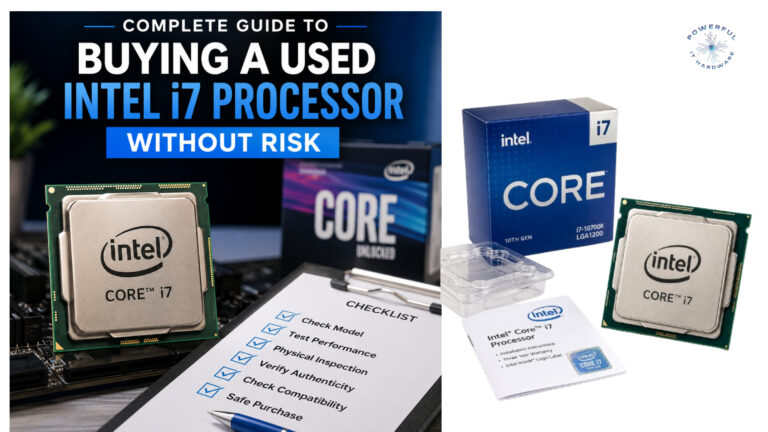
A comprehensive visual inspection serves as the first line of defense in quality control, allowing technicians to identify physical defects that could render a used cpu processor non-functional before it is even installed in a motherboard. This step involves examining the substrate for cracks, checking for missing components, and ensuring that the heat spreader is not excessively dented or warped. In a wholesale setting where hundreds of units may be processed daily, establishing a systematic visual workflow helps quickly cull obviously damaged hardware, saving valuable time and resources. This preliminary filter ensures that only potentially viable hardware proceeds to the more time-consuming electrical testing phases.
Special attention must be paid to the condition of the contact points, specifically the pins on older AMD models or the contact pads on Intel and used dell cpu units. Bent pins are a common issue in bulk handling and can lead to short circuits or poor connectivity, while corroded contacts can prevent the CPU from seating correctly in the socket. Technicians should use magnification equipment to inspect the underside of the processor, ensuring that the gold plating on the contacts is intact and free of oxidation. Even minor physical imperfections in these critical areas can result in total failure, making visual scrutiny indispensable for maintaining inventory quality.
The presence of thermal residue on the heat spreader also provides clues regarding the history and maintenance of the used cpu processor. Excessively baked-on thermal paste may indicate that the unit was subjected to high temperatures without proper maintenance, potentially hinting at thermal stress damage. Conversely, a clean surface might suggest a recent refurbishment, but it can also hide hairline cracks if the cleaning process was too abrasive. Understanding the visual signatures of wear and tear allows buyers to negotiate better pricing on bulk lots that require refurbishment while identifying premium units that are ready for immediate resale.
Packaging and anti-static precautions during the visual inspection phase are equally important to prevent Electrostatic Discharge (ESD) damage, which can silently degrade a processor. Wholesale operations must implement strict handling protocols, using anti-static mats and wrist straps to ensure the safety of the components during sorting. A processor that passes a visual inspection but is damaged by static electricity during handling will fail subsequent tests, leading to unnecessary losses. Therefore, the visual process is not merely about looking at the part, but also about handling it with the care required to preserve its integrity for the end customer.
3. Which Diagnostic Tools Provide the Most Accurate Results
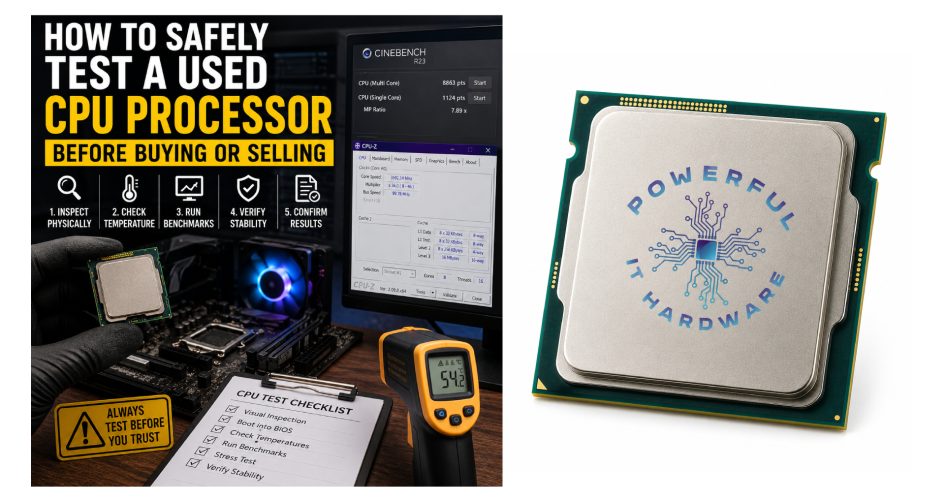
Selecting the right software diagnostics is essential for validating the operational stability of a used cpu processor without consuming excessive time per unit. Professional-grade tools such as Prime95, AIDA64, and MemTest86 are industry standards because they stress the processor to its limits, revealing instability that might not appear during normal usage. These programs are designed to execute complex mathematical calculations and memory transfers, generating maximum heat and power draw to expose any weaknesses in the silicon. For wholesalers, utilizing these robust tools ensures that the inventory can withstand the rigorous demands of enterprise computing environments.
When testing a used dell cpu or similar enterprise-grade hardware, it is beneficial to use manufacturer-specific diagnostic utilities whenever available. Dell, for instance, offers specialized bootable diagnostics that can check the compatibility and health of the processor within the context of the original system architecture. These tools often provide detailed error codes and health reports that are useful for B2B buyers who need documentation for their own records. By combining general stress-testing software with vendor-specific tools, testers can obtain a comprehensive view of the processor’s health, ensuring no potential issue is overlooked.
Automation is becoming increasingly important in the used cpu wholesale sector, with 2025 trends pointing towards the integration of scripted testing solutions that can run simultaneously on multiple test benches. Advanced operations are utilizing customized scripts that launch a battery of tests, log the results, and automatically flag failures without constant human supervision. This approach not only increases throughput but also eliminates human error in the interpretation of test results. As the market moves towards higher volumes, the ability to scale testing processes through automation will define the most efficient and profitable wholesalers.
The interpretation of test results must be standardized across the quality assurance team to ensure consistency in grading and inventory classification. Parameters such as maximum temperature reached, clock speed consistency under load, and error counts should be recorded against defined acceptance criteria. For example, a processor that throttles significantly under load due to thermal degradation might be classified as “Grade B” rather than “Grade A,” allowing for customized pricing strategies. Accurate diagnostics provide the data needed to make these inventory decisions scientifically, ensuring that customers receive exactly the level of quality they pay for.
4. How to Conduct Comprehensive Stress Tests for Thermal Stability
Thermal stability is the primary indicator of a used cpu processor‘s long-term reliability, as excessive heat is the leading cause of hardware failure in data centers. Conducting a stress test involves running the CPU at 100% utilization for an extended period, typically between one to six hours, depending on the desired level of assurance. During this phase, monitoring software tracks the temperature and voltage, ensuring that the unit remains within the thermal design power (TDP) specifications set by the manufacturer. This process is crucial for verifying that the internal thermal interface material has not degraded and that the heat dissipation characteristics remain stable.
For specific models like the used dell cpu series, which are often designed for high-density server racks, thermal tolerances can be tighter than those of consumer-grade desktop processors. These units often operate in higher ambient temperatures, making efficient heat transfer vital. A stress test that simulates these conditions helps identify processors that may overheat in real-world server environments, even if they perform adequately in an open test bench. By replicating the operational environment, wholesalers can provide assurances to B2B clients that the hardware will not cause thermal throttling or shutdowns in their specific infrastructure.
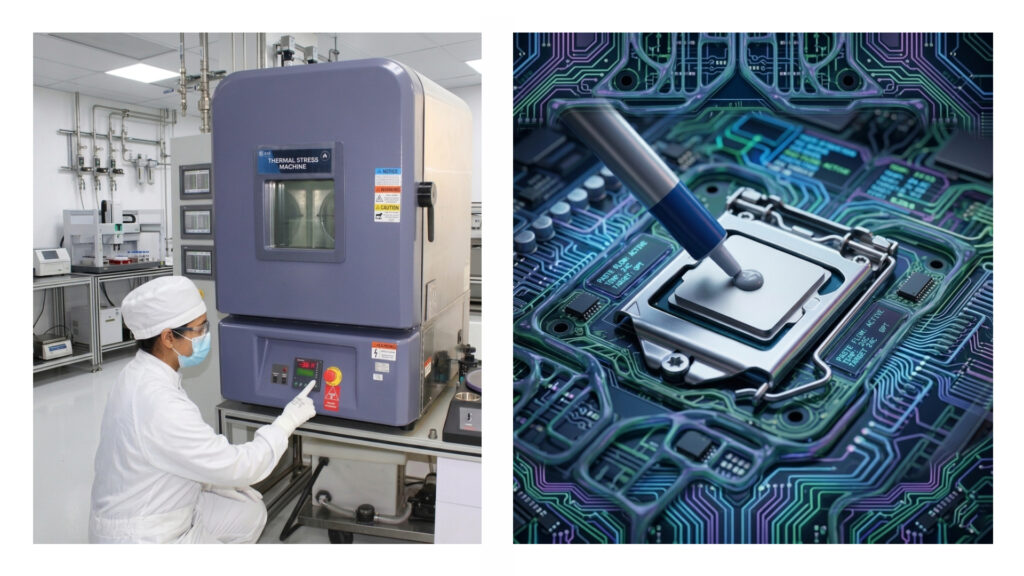
The insights gained from thermal testing also inform the customization services that many wholesalers offer to their clients. If a batch of processors runs slightly hotter than average but is still stable, the supplier might recommend or bundle high-performance thermal solutions as part of the sale. This value-added service is particularly relevant in the used cpu wholesale market, where buyers often look for turnkey hardware solutions. Understanding the thermal profile of the inventory allows the seller to tailor their offerings, matching specific processor batches with the appropriate cooling solutions to enhance overall system longevity and performance.
Looking ahead to 2026, energy efficiency metrics are becoming as important as raw thermal performance, with many data centers focusing on Total Cost of Ownership (TCO). Advanced stress testing now often includes power consumption analysis to verify that the processor is not drawing excessive current due to internal degradation. A processor that consumes more power than its rated specification while delivering lower performance offers poor value to the buyer. By providing detailed power and thermal data, wholesalers can demonstrate the efficiency of their stock, aligning with the modern procurement priorities of energy-conscious enterprises.
5. Why Custom Grading Enhances the Value of Used CPU Wholesale
Implementing a custom grading system transforms a generic pile of components into a structured inventory menu that caters to diverse B2B needs and budgets. Rather than selling every used cpu processor as a commodity, wholesalers can categorize units based on cosmetic condition, test results, and operational history. “Grade A” units might be pristine, low-mileage pulls suitable for high-end workstations, while “Grade B” units might have cosmetic blemishes but offer perfect functionality for cost-sensitive computing clusters. This segmentation allows buyers to purchase exactly what they need, optimizing their procurement budgets and reducing waste.
The ability to offer customization, such as matching specific stepping codes or binning processors for overclocking potential, adds significant value to the used cpu wholesale proposition. Some clients may require homogeneous lots for large-scale computing farms to ensure uniform performance across all nodes. By testing and sorting inventory to create these custom-matched batches, suppliers can solve complex logistical problems for their clients. This service-oriented approach differentiates a mere reseller from a strategic partner, fostering deeper business relationships and recurring revenue streams in a competitive market.
Transparency in grading is essential for building trust, particularly when dealing with high-volume used dell cpu orders destined for mission-critical applications. Detailed datasheets that accompany each lot, outlining the specific tests performed, thermal results, and cosmetic notes, provide the buyer with confidence in the product quality. In 2025, B2B buyers are increasingly demanding traceability and proof of quality, shifting away from “as-is” purchases. A robust grading system backed by data validates the price point and justifies the premium for certified, pre-tested hardware over untested alternatives.
Market forecasts for 2026 suggest that the demand for customizable, sustainably sourced hardware will outpace the supply of high-quality refurbishments. Wholesalers who master the art of testing and grading will be best positioned to capitalize on this supply gap. By turning testing into a value-added service rather than a simple operational chore, businesses can maximize their profit margins. The investment in rigorous testing protocols pays dividends by enabling premium pricing structures, minimizing return rates, and establishing a brand reputation synonymous with reliability and professional integrity in the global marketplace.
Conclusion
Mastering the testing and verification of a used cpu processor is not merely a technical requirement but a strategic imperative for success in the wholesale hardware market. By adhering to strict visual inspection protocols, utilizing advanced diagnostic tools, and conducting rigorous thermal stress tests, suppliers can ensure the reliability of their inventory. As the industry moves toward 2026, the focus on used cpu wholesale will increasingly depend on transparency, customization, and the ability to provide certified, high-quality components like the used dell cpu to demanding enterprise clients. Implementing these comprehensive testing strategies today will secure long-term business growth and customer loyalty.
Frequently Asked Questions
1. Why is testing a critical step in the used cpu wholesale market?
Testing is the cornerstone of risk management in the wholesale hardware sector. It mitigates costly returns, preserves the supplier’s reputation, and builds trust with B2B buyers who view the supplier as a quality assurance filter. With the secondary market projected to grow significantly through 2026, rigorous testing separates professional wholesalers from unreliable sellers, ensuring inventory meets the high standards required by enterprise clients.
2. How should I perform a visual inspection on a bulk shipment of processors?
A systematic visual inspection involves checking the substrate for cracks, ensuring the heat spreader is not warped, and using magnification to inspect the pins or contact pads for damage or corrosion. For a used dell cpu or similar enterprise hardware, verify that the gold plating on contacts is intact. This initial step quickly culls non-functional hardware and prevents damaged units from advancing to electrical testing.
3. Which diagnostic software tools are best for verifying a used cpu processor?
Industry-standard tools such as Prime95, AIDA64, and MemTest86 are preferred for their ability to stress-test the CPU and memory controllers to their limits. Additionally, using manufacturer-specific utilities, such as Dell’s diagnostic suites for server components, provides deeper insights into compatibility and health. These tools ensure the processor can handle the rigorous demands of data center environments.
4. How long should stress tests last to ensure thermal stability?
Stress tests should typically run between one to six hours depending on the desired level of assurance, maintaining 100% CPU utilization to simulate maximum load conditions. This duration is crucial for verifying that the unit does not overheat, throttle, or crash under pressure, which is vital for used cpu wholesale buyers who need reliable performance for continuous operation.
5. What specific issues should I look for when testing a used dell cpu?
When testing used Dell processors, pay close attention to thermal history, as these units often come from decommissioned servers that may have endured years of high-load operation. It is important to verify that the processor maintains stable clock speeds without thermal throttling and that it integrates seamlessly with Dell’s specific system architectures using their diagnostic tools.
6. Why is implementing a custom grading system beneficial for my business?
A custom grading system (e.g., Grade A vs. Grade B) allows you to categorize inventory based on cosmetic condition and test results, enabling you to cater to diverse B2B budgets and needs. This approach transforms a generic used cpu processor inventory into a structured product menu, allowing you to command premium prices for certified units while offering cost-effective options for less critical applications.
7. How does testing support customization services for wholesale clients?
Detailed testing data allows wholesalers to offer value-added customization, such as binning processors for overclocking potential or matching specific stepping codes for homogeneous computing clusters. By understanding the thermal and power profiles of their stock, suppliers can bundle appropriate cooling solutions, providing turnkey hardware solutions that enhance the value of used cpu wholesale transactions.
8. What are the risks of skipping the visual inspection phase?
Skipping the visual inspection can lead to unnoticed physical damage, such as bent pins or hairline cracks, which can cause short circuits or poor connectivity. This oversight results in higher failure rates during electrical testing, potential damage to test motherboards, and ultimately, dissatisfied customers. Proper handling and visual scrutiny protect the hardware from ESD damage and ensure inventory integrity.
9. How is the used cpu processor market expected to change by 2026?
By 2026, the market is expected to shift heavily towards energy efficiency and Total Cost of Ownership (TCO), with buyers demanding detailed power consumption data alongside performance metrics. Sustainability goals will continue to drive growth in the sector, increasing the volume of wholesale transactions and requiring suppliers to provide traceability and proof of quality to meet enterprise procurement standards.
10. Which handling protocols are necessary during the testing process?
Strict Electrostatic Discharge (ESD) protection protocols are mandatory, including the use of anti-static mats, wrist straps, and proper packaging. This ensures that the used cpu processor is not silently damaged during the sorting or testing phases. Proper handling preserves the functionality of the components, ensuring that the units delivered to clients are exactly as tested and verified.